 Gloria Davis
A succulent leaf can hold water in its fleshy tissue, a reserve that helps the plant through dry periods. That storage does not make every succulent a desert plant: species differ in the light, temperatures and seasonal moisture they need.
To grow a succulent well, identify it first and match its surroundings to its natural rhythm. If you want to take succulent cuttings, the plant’s growth habit also determines whether a leaf, a stem or an offset is the better starting material.
Identify the plant and its climate
“Succulent” describes a way of storing water rather than a single plant family. A sun-loving echeveria, a haworthia suited to gentler light and a forest-dwelling holiday cactus can all have fleshy parts but respond differently to the same windowsill. Keep the botanical name from the label and consult a reliable guide to its needs.
Check winter temperatures before putting a plant outdoors. Some species tolerate frost; many common houseplant succulents do not. A movable container makes it easier to shelter a tender plant when cold or prolonged rain arrives. If the plant is new, change its conditions gradually and watch how it responds.
Growing succulents begins with light that fits the species. To grow these succulents successfully, adjust exposure gradually. Many compact desert types need a bright window and some direct sun; others prefer bright filtered light. Move a plant toward stronger sunlight gradually, since sudden exposure can scorch tissue. Stretched, widely spaced growth can indicate inadequate light, while bleached or brown patches after a move can signal too much sun.
Give roots drainage and measured water
Choose a pot with drainage holes and a free-draining mix intended for cacti and succulents. A small plant in an oversized pot can sit in wet mix for too long. If you place the growing pot inside a decorative cover, remove it to water and let excess drain away before putting it back. Empty the saucer rather than leaving roots in standing water.
For many desert-adapted succulents, let the mix dry between thorough waterings. Water until it runs from the holes, then allow the pot to drain. Check below the surface with a wooden stick or by lifting the pot; the top can dry while the center remains wet. Forest cacti generally appreciate more regular moisture, so use species-specific guidance rather than the driest schedule for every plant.
How quickly the mix dries changes with light, pot size, material and temperature. In a cool, dim room it can remain wet longer than on a warm windowsill. Soft, translucent tissue or a persistently wet mix calls for a check of drainage and roots; wrinkling in dry mix can indicate a need for water. Inspect the whole plant before deciding.
Cutting Succulents: Choose the Right Part
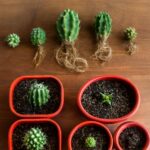
Before cutting succulents, select a healthy parent and check which method works for its species. Iowa State University Extension describes three common approaches: leaf cuttings, stem cuttings and division of offsets. To propagate succulent plants, use clean, sharp tools when a cut is needed, and avoid taking material from a stressed or diseased plant.
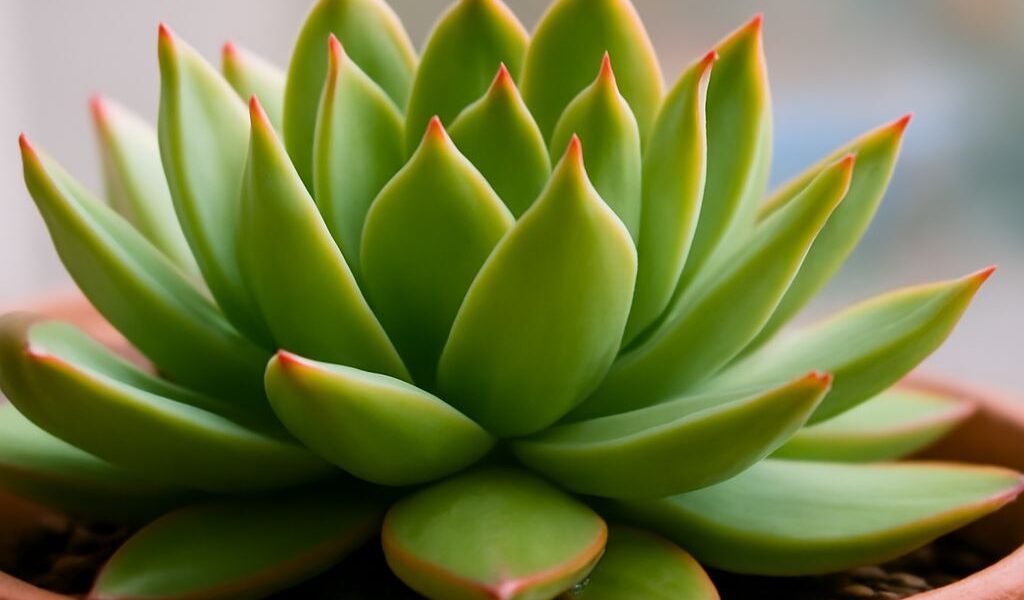
Leaves. Some echeverias and related plants can produce a new plant from a whole, healthy leaf. Gently remove the leaf with its base intact, allow the wound to dry and callus, then place it on a well-draining medium in bright indirect light. Keep the medium only lightly moist as roots appear. Some leaves dry up or rot before forming a plant, and species that do not form new shoots from a leaf need another method.
Stems. When taking cuttings from succulents such as a suitable sedum or crassula, cut a healthy stem with clean tools and remove the lowest leaves. Let the cut end dry and callus before placing it in a small pot of draining mix. Provide bright indirect light while roots develop, and water sparingly rather than keeping the mix saturated. A gentle resistance to a slight tug later can suggest roots are forming; avoid repeated disturbance.
Offsets. Plants such as some aloes and haworthias make young rosettes beside the parent. Once an offset is large enough to handle, separate it carefully, keeping any roots attached. If a cut is needed, allow the wound to dry before potting in draining mix. A rooted offset starts with its own root system; an unrooted one needs time to form roots before it can take up much water.
When propagating a succulent, keep the method and plant name together in your notes. A leaf may form roots without producing a new shoot, so wait for visible new growth before treating it as an established plant. Do not assume that one attempt predicts the outcome for every species.
Follow growth through the year
Raising succulents means noticing when each plant is actively growing and when it slows. New leaves or roots can coincide with greater water use; in a cool, low-light resting period, mix may stay wet much longer. Seasonal rhythms vary by species, and indoor temperatures can change the pattern.
To grow a succulent through changing seasons, record watering dates and how dry the mix felt, then use those observations to adjust the next check. As growth resumes, inspect moisture more often; when growth slows, allow more time for the mix to dry. The plant’s condition, together with the soil and season, will guide its care over time.