 Gloria Davis
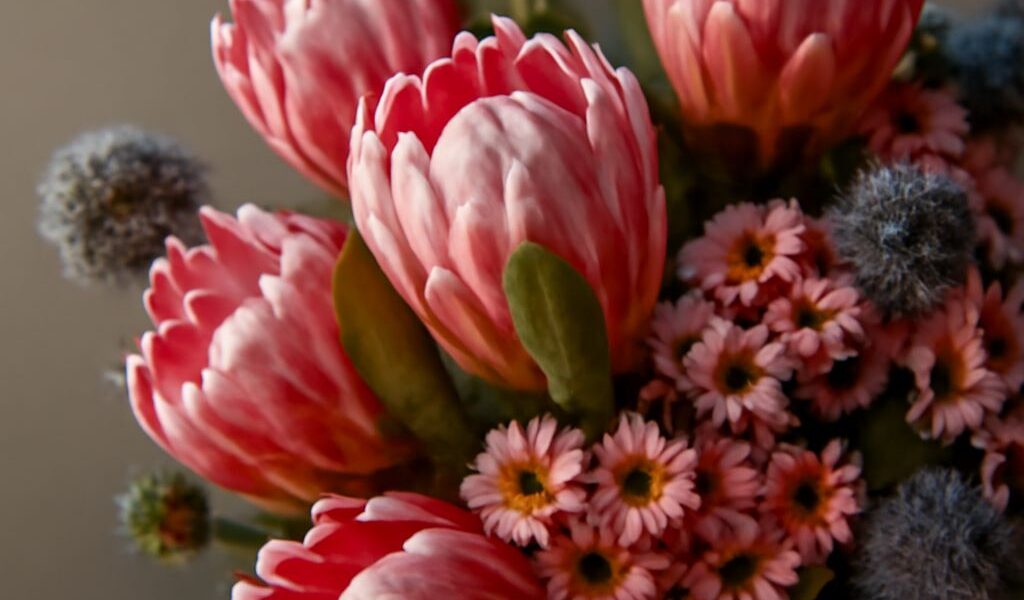
The protea plant, with its striking and exotic blooms, has become a favorite among gardeners seeking a unique addition to their gardens. Known for their distinctive appearance and vibrant colors, proteas are native to South Africa but can thrive in various climates if cared for properly. Let’s explore how to grow and care for these fascinating plants.
Understanding the Protea Plant
Proteas belong to the Proteaceae family and are renowned for their large, colorful flowers and hardy nature. These plants thrive in well-drained soil and prefer a sunny location. They are drought-tolerant, making them an excellent choice for gardens in dry climates. By understanding their natural habitat, we can better replicate the conditions they need to flourish in our gardens.
Planting Protea: Key Considerations
When planting proteas, choose a location with full sun exposure and well-drained soil. It’s crucial to avoid waterlogged conditions, as this can lead to root rot. We recommend planting in raised beds or containers with a sandy, acidic soil mix to mimic their native environment.
Plant proteas in the spring or autumn when temperatures are mild. Dig a hole twice the size of the root ball, ensuring the top of the root ball is level with the soil surface. Water thoroughly after planting to help the roots establish.
Caring for Your Protea
Proper care is essential for protea plants to thrive. Water them sparingly, as overwatering can be detrimental. Allow the soil to dry out between waterings. Mulching around the base can help retain moisture and suppress weeds.
Fertilizing is generally unnecessary, but if you choose to feed your protea, use a low-phosphorus fertilizer to prevent nutrient burn. Regularly prune dead or damaged branches to promote healthy growth and maintain their shape.
Common Issues and Solutions
Protea plants can face several challenges, but with the right care, these can be managed effectively. Root rot is a common problem caused by overwatering. Ensure proper drainage and reduce watering frequency to prevent this issue.
Pests such as aphids and mealybugs may occasionally attack proteas. Insecticidal soap or neem oil can help control these pests. Additionally, ensure your plants have good air circulation to prevent fungal infections.
By following these guidelines, we can enjoy the stunning beauty and unique charm of protea plants in our gardens, bringing a touch of the exotic to our outdoor spaces.