 Gloria Davis
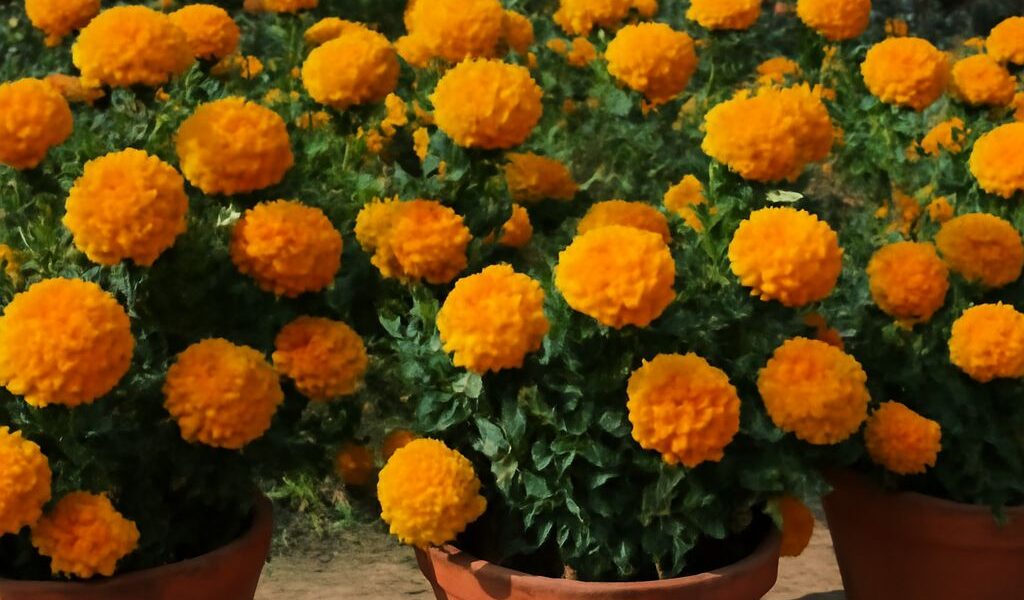
Marigolds are a delightful addition to any garden, admired for their vibrant colors and easy maintenance. To enjoy their full potential, it’s vital to understand proper marigold care and know when do marigolds bloom. Let’s dive into essential tips and tricks to ensure your marigolds thrive and light up your garden.
Essential Marigold Care Tips
Marigolds are hardy plants, but they still require some care to flourish. Here are key tips for successful marigold care:
- Soil and Location: Marigolds prefer well-draining soil and full sun exposure. Amend the soil with compost to enhance fertility if needed.
- Watering: Regular watering is crucial, especially in dry periods. Ensure the soil remains moist but not waterlogged to prevent root rot.
- Fertilization: Use a balanced fertilizer every six weeks during the growing season to support healthy growth and blooms.
- Pruning: Deadhead spent blooms to encourage continuous flowering and prevent the plant from going to seed too early.
- Pest Control: Marigolds are relatively pest-resistant, but watch out for slugs and caterpillars. Use organic pesticides if necessary.
When Do Marigolds Bloom?
Understanding when do marigolds bloom is key to planning your garden display. Typically, marigolds bloom from late spring until the first frost in fall. The exact timing can vary based on climate and care conditions. Consistent deadheading and proper maintenance can extend their blooming period, allowing you to enjoy their vibrant colors for longer.
Common Marigold Problems and Solutions
Even with proper care, marigolds may face some challenges. Here are common issues and how to address them:
- Powdery Mildew: This fungal disease appears as white, powdery spots on leaves. Improve air circulation and avoid overhead watering. Apply a fungicide if necessary.
- Aphids: These small insects can damage foliage. Introduce natural predators like ladybugs or use insecticidal soap to control infestations.
- Root Rot: Overwatering can cause root rot. Ensure proper drainage and reduce watering frequency if you notice wilting despite moist soil.
Maximizing Marigold Blooms in Your Garden
To make the most of your marigold display, consider these strategies:
- Companion Planting: Pair marigolds with vegetables like tomatoes and peppers to deter pests naturally and enhance garden aesthetics.
- Seasonal Planting: Stagger plantings to ensure continuous blooms. Start seeds indoors a few weeks before the last frost for an early start.
- Variety Selection: Choose a mix of marigold varieties, such as French or African marigolds, for diverse color and size options.
By following these tips, we can ensure our marigolds remain healthy and vibrant throughout the growing season. Enjoy the beauty these cheerful flowers bring to your garden!