 Gloria Davis
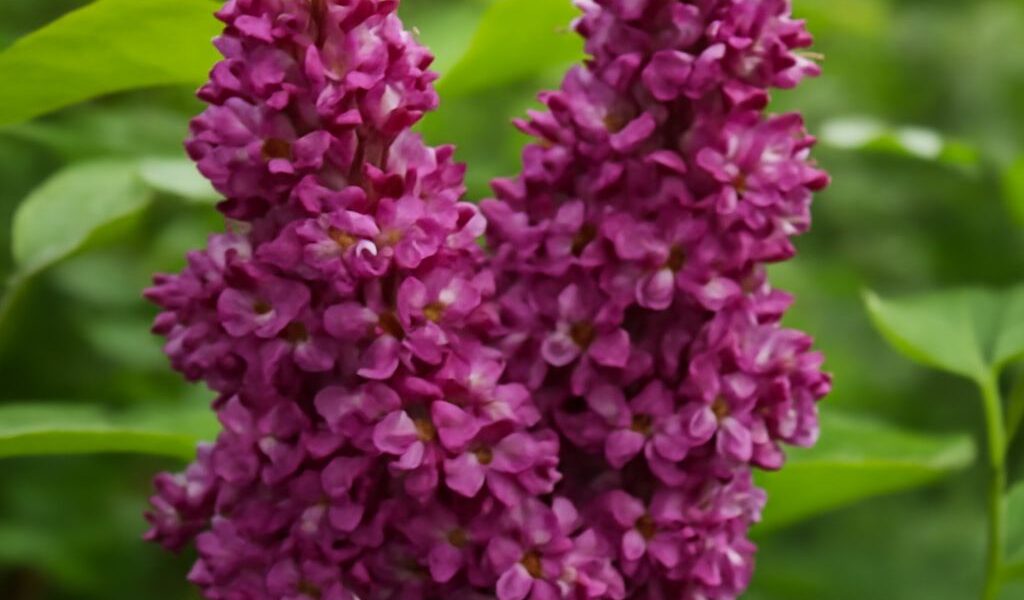
The Syringa vulgaris, more commonly known as the common lilac bush or French lilac, is a favorite among gardeners for its vibrant blooms and delightful fragrance. Growing this beautiful plant requires some understanding of its needs and preferences. Let’s explore the essentials for cultivating this charming addition to your garden.
Understanding Syringa Vulgaris
Syringa vulgaris is a deciduous shrub that can reach heights of 8 to 15 feet. It is known for its heart-shaped leaves and clusters of purple, pink, white, or blue flowers. Native to southeastern Europe, it thrives in temperate climates and is beloved for its spring blossoms. Selecting the right variety for your climate and garden space is crucial. The shrub prefers full sun and well-drained soil, which encourages optimal growth and flowering.
Planting the Common Lilac Bush
When planting a common lilac bush, choose a location with at least 6 hours of direct sunlight each day. The soil should be fertile, slightly alkaline, and well-drained. Early spring or fall is the best time to plant. Dig a hole twice as wide and just as deep as the root ball. Place the lilac in the hole, ensuring that the top of the root ball is level with the ground surface. Backfill with soil and water thoroughly to eliminate air pockets.
Caring for Your French Lilac
Once planted, caring for your French lilac involves regular watering, especially in dry spells, to maintain moist soil. Mulching around the base will help retain moisture and suppress weeds. Prune immediately after flowering to maintain shape and encourage growth. Removing spent blooms prevents seed formation, directing energy back to the plant. Fertilize annually with a balanced fertilizer in early spring to promote vibrant blossoms.
Common Issues and Solutions
While generally robust, the common lilac bush can face issues such as powdery mildew, root rot, and lilac borers. For powdery mildew, ensure good air circulation and apply fungicide if necessary. Root rot is often due to poor drainage—improving soil conditions can mitigate this. Lilac borers can be managed by pruning and using insecticidal treatments when necessary. Regular inspection and maintenance are key to a healthy lilac bush.
By understanding and addressing these needs, we can enjoy the enduring beauty and fragrance of the Syringa vulgaris in our gardens year after year.