 Gloria Davis
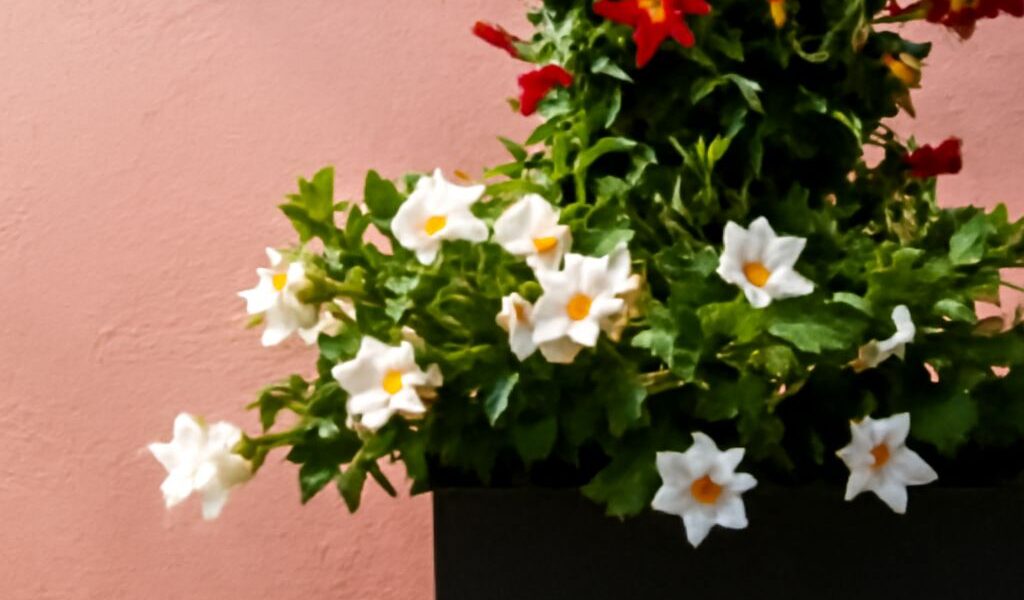
Mandevilla is a vibrant climbing vine prized for its showy, trumpet-shaped flowers and lush foliage. If you’ve admired its blooms in summer gardens or on patios, you may be wondering: is mandevilla a perennial or an annual? Understanding its growth habits and care requirements helps us enjoy mandevilla’s beauty year after year, whether we grow it outdoors or indoors.
Is Mandevilla a Perennial or Annual?
The dominant answer is that mandevilla is a perennial plant by nature. In its native tropical environments, mandevilla grows as a true perennial, returning year after year with vigorous growth and generous flowering. However, in many temperate regions, we often treat mandevilla as an annual because it cannot survive freezing temperatures outdoors.
The distinction comes down to climate. If you live in USDA hardiness zones 10 and 11—such as parts of southern Florida, southern Texas, or coastal California—mandevilla can remain in the ground and thrive as a perennial vine. In these frost-free conditions, it will keep its leaves year-round and flower continuously when provided with sufficient warmth, sunlight, and moisture.
For most gardeners in cooler climates, mandevilla is grown as a potted plant or annual outdoor feature. Once nighttime temperatures dip below 50°F (10°C), the plant’s growth slows, and frost will kill it if left unprotected. This leads many to grow mandevilla as a seasonal plant, discarding it at the end of the growing season. Yet, with the right care, we can successfully overwinter mandevilla indoors and treat it as a tender perennial.
How Climate Affects Mandevilla’s Lifespan
Understanding how climate impacts mandevilla is critical for long-term success. In tropical and subtropical regions, mandevilla is perennial and can develop into a robust woody vine. It benefits from consistently warm temperatures, humidity, and protection from cold winds. In these areas, mandevilla may flower nearly all year, with peak blooms in spring and summer.
For most of us living in temperate zones—with chilly autumns and cold winters—mandevilla will not survive outdoors past the first frost. The plant’s tissues are not adapted to freezing, and even a brief dip below 40°F (4°C) can cause severe stress or death. This means mandevilla acts as an annual in these climates unless we take steps to protect or move it.
If you live somewhere with mild winters (Zone 9), you might get away with heavy mulching and a sheltered location. However, the safest bet is to treat mandevilla as a container plant. This allows us to move it indoors for the winter, preserving the plant for years of enjoyment. The ability to overwinter mandevilla is what ultimately answers the question: is mandevilla a perennial? In the right conditions—or with the right strategy—it absolutely is.
Tips for Overwintering Mandevilla Indoors
To keep mandevilla as a perennial in cold climates, we need to bring it indoors before temperatures fall below 50°F (10°C). Here’s how we can successfully overwinter mandevilla:
- Inspect and prune: Trim the plant back by one-third to one-half to make it manageable and encourage healthy regrowth. Check for pests and treat with insecticidal soap if needed.
- Choose the right location: Place mandevilla in a bright spot, such as a south-facing window. It prefers indirect light but will survive in lower light by going semi-dormant and dropping some leaves.
- Reduce watering: Water sparingly during winter; let the top inch of soil dry before watering again. Overwatering can lead to root rot during the plant’s slower growth period.
- Maintain humidity: If indoor air is dry, use a pebble tray with water or a room humidifier to prevent leaf drop.
By late winter or early spring, increase watering and consider a diluted balanced fertilizer to encourage new growth. When all risk of frost has passed, we can gradually reintroduce mandevilla outdoors, acclimating it to stronger sunlight over a week or two.
Essential Care for Healthy Mandevilla Plants
To get the best results, mandevilla requires a few essential care practices throughout the growing season:
- Light: Mandevilla thrives in full sun to partial shade. At least 6 hours of bright sunlight daily encourages prolific blooming.
- Soil: Use a well-draining potting mix with plenty of organic matter. For containers, ensure adequate drainage holes.
- Water: Water deeply when the top inch of soil feels dry. Avoid soggy conditions, as roots are prone to rot.
- Fertilizer: Feed every 2-4 weeks during the growing season with a balanced, water-soluble fertilizer to support lush foliage and continuous flowers.
- Support: Provide a trellis, stake, or other support for vines to climb, especially if you want dramatic vertical growth.
- Pest management: Watch for spider mites, aphids, and whiteflies; treat early using insecticidal soap or neem oil if needed.
Following these care steps lets us enjoy healthy mandevilla plants—whether we treat them as annuals or successfully keep them as perennials through careful overwintering and attentive maintenance.