 Gloria Davis
The caper plant brings bold flavor and Mediterranean charm to any edible garden. With their delicate caper flowers and savory edible buds, capers are a unique addition—both ornamental and practical. Let’s walk through what makes the caper plant special, how we can successfully cultivate it at home, and the best ways to enjoy its signature tangy taste in our kitchens.
What Is the Caper Plant?
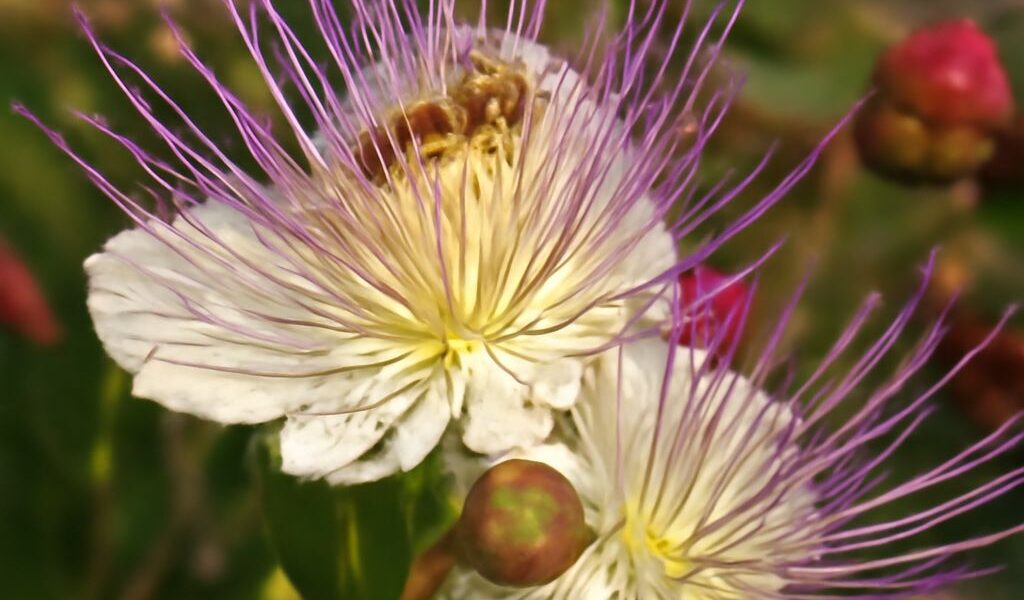
The caper plant (Capparis spinosa) is a perennial shrub native to the Mediterranean region. This drought-tolerant plant is instantly recognizable by its rounded, fleshy leaves and sprawling, thorny stems. What truly sets it apart, however, are its striking caper flowers—large, delicate blooms with white petals and showy purple stamens. While the flowers themselves are eye-catching, the edible parts most sought after are the small, green, unopened flower buds, which are harvested and pickled to produce the capers we know from culinary uses.
In its natural habitat, the caper plant thrives on rocky slopes, old walls, and sun-baked soil. Its resilience to heat and poor soil makes it an excellent candidate for home gardens, especially in regions with hot, dry summers. Mature plants form attractive mounds, providing beauty as well as an edible harvest. Both the buds (capers) and the fruits (caper berries) are prized for their briny, tangy flavor in Mediterranean cuisine.
Growing a caper plant rewards us with both a unique ornamental presence and a steady supply of gourmet ingredients. Understanding the unique characteristics of the caper flower and its edible buds is the first step to cultivating and enjoying them at home.
How to Grow Caper Plants at Home
Choosing the Right Location
Caper plants demand warmth and sunlight. For best results, we should choose a location that receives full sun for at least six hours each day. South-facing walls, raised beds, or containers placed in bright spots are ideal. Well-drained, sandy, or rocky soil is a must, as soggy conditions can cause root rot. If our garden soil is too heavy or clay-like, we can amend it with coarse sand or small gravel to improve drainage.
Caper plants are well-suited for USDA zones 8–11, but in cooler climates, we can grow them in large pots and bring them indoors during winter. Their deep roots mean they’re somewhat drought tolerant, but young plants benefit from consistent moisture until established.
Planting and Care Tips
We can start caper plants from seed, cuttings, or nursery-grown transplants. Seeds require scarification (gently nicking or soaking them) for better germination, as their tough coating can slow sprouting. Sow seeds in early spring, pressing them into a light, sandy starting mix. Germination is slow—sometimes taking several weeks—so patience is essential.
Once seedlings are large enough to handle, we transplant them into the garden or containers. Space plants at least 3–4 feet apart to accommodate their spreading growth. Water regularly during the first year, especially in dry spells, but allow the top inch of soil to dry out between waterings. Mature caper plants prefer infrequent, deep watering and dislike having “wet feet.” We can support them with a trellis or let them cascade over walls for a dramatic effect.
Fertilizing is minimal: a yearly application of balanced organic fertilizer in early spring is sufficient. Pruning in late winter encourages new growth and keeps the shrub compact. With proper care, caper plants can thrive for years, rewarding us with abundant caper flowers and buds each season.
Caper Flower: Appearance and Harvesting
The caper flower is a highlight of the plant’s ornamental appeal. Each bloom opens in the morning, revealing four crinkled white petals and a burst of purple-tipped stamens, often measuring 2–3 inches across. Caper flowers last only a day, but the plant produces them in succession over several weeks, creating a stunning display.
For culinary purposes, we harvest the tightly closed flower buds in early morning, before they begin to swell and open. Use a small pair of scissors or pinch the buds off by hand, taking care to leave enough for the plant’s health. If we allow the flowers to open and eventually develop into fruits, we can also harvest caper berries—these are larger and milder in flavor than the classic caper buds.
After harvest, the buds are dried for a day, then pickled in vinegar or brine to bring out their characteristic tangy flavor. Fresh caper flowers, while not commonly eaten, are sometimes used as a garnish for their visual appeal.
Culinary Uses for Capers and Caper Flowers
In the kitchen, the caper plant provides us with multiple edible treats. The most familiar are the pickled caper buds, which add piquancy to dishes like chicken piccata, puttanesca sauce, and tapenade. Their briny, lemony flavor pairs beautifully with fish, eggs, potatoes, and salads. We can rinse capers before use to reduce saltiness, or crush them with olive oil and herbs for a zesty spread.
Caper berries—harvested after the flower has bloomed—are larger, with crunchy seeds and a milder taste. They are delicious in antipasto platters, martinis, or simply alongside cheese and charcuterie. Some adventurous cooks use young caper leaves, lightly pickled, to add complexity to salads or sandwiches.
While the caper flower is mostly ornamental, it makes a striking edible garnish for special plates. If we want to enjoy the full range of what the caper plant offers, we can experiment with every part: buds, berries, and even the occasional fresh bloom. Growing capers in our edible garden opens the door to authentic Mediterranean flavors—straight from the source.