 Gloria Davis
The hornbeam, known for its dense wood and elegant form, is a versatile deciduous tree valued in gardens, parks, and natural forests. With a reputation for durability and refined beauty, the hornbeam tree offers year-round interest and adapts to a range of settings. In this guide, we’ll show you how to identify hornbeam, explain its growth requirements, and detail the best ways to use hornbeam trees in landscaping.
What Is a Hornbeam Tree?
The hornbeam tree belongs to the genus Carpinus, with two primary species commonly grown in Europe and North America: the European hornbeam (Carpinus betulus) and the American hornbeam (Carpinus caroliniana). Both species share key features: smooth, gray bark, simple serrated leaves, and a compact, rounded crown. The hornbeam’s hard, white wood is historically prized for tools and carving, giving the tree its name – “horn” for hardness, and “beam” for tree in old English.
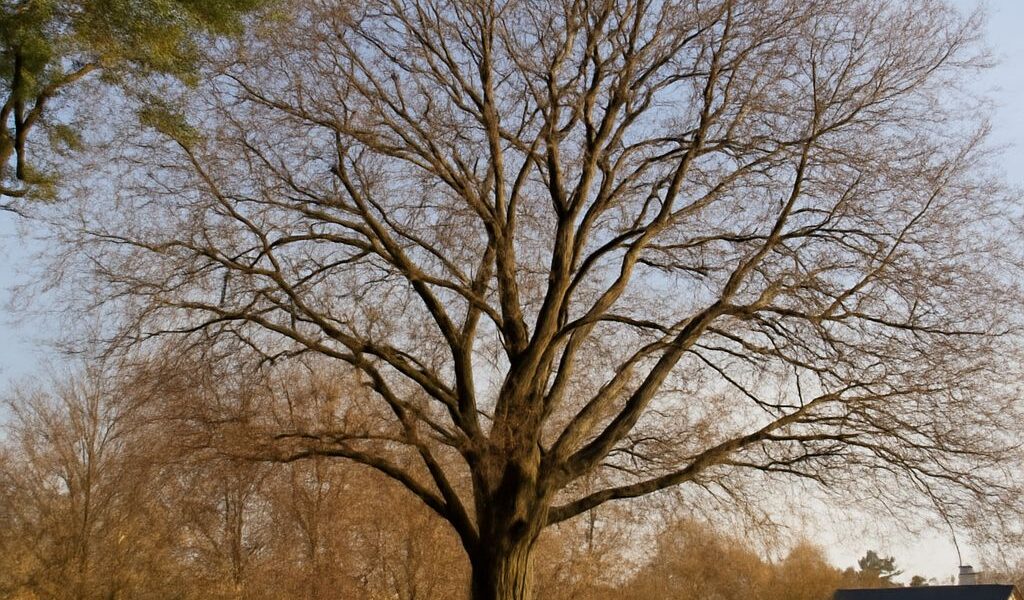
European hornbeam can reach 40 to 60 feet tall, while American hornbeam usually tops out at 20 to 35 feet, making it suitable for smaller landscapes. Both are deciduous, shedding their leaves in autumn and often holding on to dried, coppery foliage through winter, which adds winter interest and screening value.
Hornbeam trees are naturally found in woodlands and along hedgerows, but their tolerance for pruning also makes them popular as formal hedges, screen trees, or clipped specimens in gardens. Their adaptability and graceful appearance have earned them a favorite place in urban, suburban, and rural plantings alike.
How to Identify Hornbeam
To recognize a hornbeam, start with the leaves. Hornbeam leaves are oval, 2–4 inches long, and have sharply toothed edges with pronounced, parallel veins running from the midrib to the margin. When young, the leaves may look slightly crinkled due to the strong veins. In spring and summer, the foliage is a fresh green, turning yellow to orange-brown in autumn.
The bark is another giveaway: hornbeam bark is smooth and gray, often described as “muscular” or fluted, especially in mature American hornbeam (sometimes called “musclewood” for this reason). Unlike beech trees, which also have smooth bark, hornbeam bark remains more sinewy and never develops the etched patterns of birch.
In addition to leaves and bark, look for distinctive fruit. Hornbeam trees produce small, nut-like seeds surrounded by papery, three-lobed bracts that hang in clusters in late summer and fall. This feature distinguishes them from similar species, such as hop-hornbeam (Ostrya), which have hop-like fruit clusters instead.
Young hornbeam twigs are slender and reddish-brown, with pointed buds arranged alternately along the stem. With a combination of these features—leaf shape, bark character, fruit type, and twig appearance—we can confidently identify hornbeam in the landscape.
Growing Conditions and Care for Hornbeam Trees
Hornbeam is adaptable but thrives best in moist, well-drained, fertile soils. It tolerates a range of soil types, from clay to chalk, but may struggle in very dry or waterlogged locations. The tree prefers full sun to partial shade and is generally hardy in USDA zones 4–8 (American hornbeam) or zones 5–8 (European hornbeam).
For planting, we recommend spacing hornbeam trees 20 to 30 feet apart for single specimens or 3 to 5 feet apart for hedges. Water young trees regularly until established, especially during dry spells. Once mature, hornbeam is relatively drought-tolerant but benefits from occasional deep watering and a layer of mulch to conserve moisture.
Pruning is one of hornbeam’s strengths: it responds well to shaping and hard cutting, making it ideal for formal hedges and topiary. The best time to prune is late winter or early spring before bud break, but light trimming can be done through summer. Watch for leaf spot or powdery mildew, but serious pests or diseases are rare.
Fertilizing is usually unnecessary, but a balanced, slow-release feed in spring can be helpful on poor soils. With minimal care, we can expect hornbeam trees to live for several decades and provide lasting structure and shade.
Popular Uses of Hornbeam in Landscaping
Hornbeam’s versatility makes it a valuable addition to gardens and landscapes. One of the most popular uses is as a formal hedge; European hornbeam, in particular, can be pruned into dense, tall screens that provide privacy, windbreaks, and year-round structure. Its ability to hold onto dry leaves through winter adds extra screening when other deciduous hedges are bare.
As a specimen tree, hornbeam offers a refined, rounded canopy and attractive bark, making it an excellent choice for shade near patios, walkways, or lawns. The American hornbeam is especially suited to naturalized settings, woodland gardens, and sites with periodic flooding, thanks to its tolerance of moist soils.
Hornbeam wood is still valued for specialty items such as tool handles, mallets, and carving, though its main landscape role today is ornamental. In urban areas, hornbeam trees are planted along streets and in parks for their resilience, heat tolerance, and manageable size. They also support wildlife, hosting caterpillars of several moth species and providing seeds for birds.
Whether used as a hedge, street tree, or elegant shade provider, hornbeam brings functional and aesthetic benefits to a wide range of plantings.