 Gloria Davis
Camellia japonica, also known as the Japanese camellia, is celebrated for its glossy evergreen foliage and exquisite flowers that bloom in late winter through spring. Whether we’re seeking a statement shrub for a shaded garden bed or a classic specimen in a container, understanding how to grow and care for Camellia japonica ensures years of healthy growth and beautiful blooms. Let’s dive into what sets this plant apart, how to grow it successfully, and what makes it thrive.
What Is Camellia japonica?
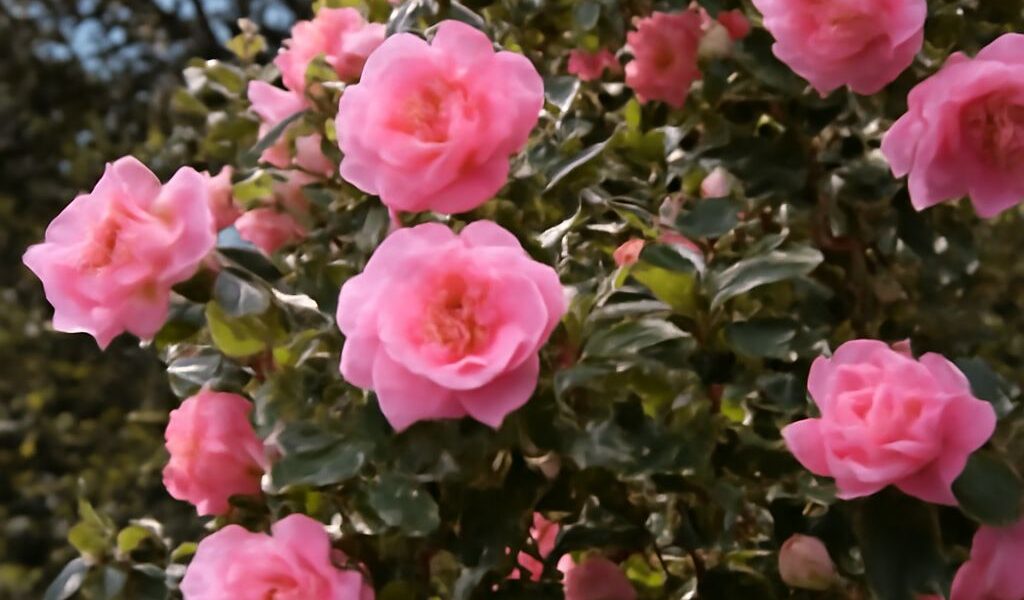
Camellia japonica is a broadleaf evergreen shrub native to Japan, Korea, and eastern China. It’s widely admired for its elegant, waxy, dark green leaves and showy flowers, which can be single, semi-double, or fully double, ranging in color from pristine white to deep pink and red. Mature plants typically reach 6 to 12 feet in height, though some older specimens can grow much larger given time and the right conditions.
The Japanese camellia has a long cultural history as a symbol of winter beauty and perseverance. It’s a favorite in both traditional Japanese gardens and temperate landscapes worldwide. The blooms, often appearing when little else is flowering, provide vital late-winter or early-spring color. In addition to their beauty, these flowers are prized by florists and home gardeners alike for their longevity and striking appearance.
Camellia japonica is distinct from other camellia species, such as Camellia sasanqua, mainly due to its larger, thicker leaves and later bloom season. This plant is often chosen for its classic form and ability to serve as a focal point in shaded or dappled light areas. With hundreds of cultivated varieties available, there’s a camellia for nearly every color preference and garden style.
How to Grow Japanese Camellia Successfully
To grow Camellia japonica successfully, we need to start with healthy young plants or cuttings. Choose a location that receives morning sun and afternoon shade or filtered light, as direct mid-day sun can scorch the leaves and stress the plant. Autumn or early spring is ideal for planting, allowing the root system to establish before hot weather arrives.
We recommend digging a hole twice as wide but only as deep as the root ball. Camellias prefer to be planted slightly high, with the crown just above soil level, to prevent waterlogging. Backfill with a mixture of the existing soil and well-rotted compost or leaf mold, ensuring good drainage. Avoid heavy clay or alkaline soils—these shrubs require slightly acidic soil (pH 5.5–6.5) for best performance.
After planting, water thoroughly and mulch with 2–3 inches of pine bark, pine needles, or leaf mold to retain moisture and maintain soil acidity. Japanese camellia prefers consistent, moderate moisture but dislikes soggy conditions; established plants are somewhat drought tolerant but perform best with regular watering during extended dry spells. Feed annually in spring after flowering with a slow-release, acid-forming fertilizer formulated for camellias or azaleas.
Pruning isn’t usually necessary, but if we want to shape the plant or remove dead wood, do so just after flowering finishes. Avoid heavy pruning, as this can reduce next year’s blooms. With proper planting and basic care, Camellia japonica rewards us with reliable, spectacular flowers year after year.
Best Conditions for Healthy Blooms
To achieve the best flower display, Japanese camellia needs stable, cool conditions—especially in winter and early spring. Choose a spot sheltered from harsh winds and extreme summer heat. While these shrubs tolerate some sun, they thrive with morning sunlight and protection from the hottest afternoon rays. Heavy shade can reduce blooming, so aim for dappled or partial light.
Soil preparation is key. We always test and amend the soil to maintain the slight acidity camellias love. Well-draining, humus-rich soil helps prevent root rot and keeps plants vigorous. Avoid using lime or other alkaline amendments, which can cause yellowing leaves and stunted growth (chlorosis).
Camellias appreciate steady moisture, so mulch well and water during periods of drought, especially when buds are forming. Take care not to wet the leaves repeatedly, as this can encourage fungal diseases. Good air circulation around the plant further minimizes disease risk.
Finally, avoid disturbing camellia roots once established—they’re sensitive to root disturbance and transplanting. Choose the final site carefully to keep your Japanese camellia healthy and blooming for decades.
Common Questions About Camellia japonica
How cold-hardy is Camellia japonica? Most varieties are hardy to USDA zones 7–9. In colder regions, choose a protected location or grow in a container to move indoors during extreme cold.
Does Camellia japonica need pruning? Minimal pruning is needed. Remove dead or crossing branches after flowering, and lightly shape if desired. Avoid cutting back hard, as this can reduce blooms the next season.
What pests and diseases affect Japanese camellia? Watch for tea scale, aphids, and root rot. Leaf spot and petal blight can occur in humid climates. Good air flow, proper watering, and maintaining healthy soil reduce most problems.
Can Camellia japonica grow in containers? Yes—use a large container with acid soil mix, and ensure good drainage. Container plants may need more frequent watering and feeding but can thrive for many years when cared for properly.