 Gloria Davis
Hoya plants, often called “wax plants,” are beloved by indoor gardeners for their striking foliage, unique flowers, and easy-care nature. With dozens of distinct hoya types available, it’s no wonder these vining beauties have become a staple for plant enthusiasts. In this guide, we’ll explore what makes hoyas special, highlight the most popular hoya plant types, offer practical tips for choosing the right variety, and share our favorite advice for growing and enjoying these captivating plants at home.
What Are Hoya Plants?
Hoya plants are tropical perennials native to Asia and Australia. Known for their thick, waxy leaves and clusters of fragrant, star-shaped flowers, hoyas are members of the Apocynaceae family. These plants typically grow as epiphytes, meaning they use other plants or objects for support rather than drawing nutrients from the soil directly. This natural adaptation makes them well-suited to indoor life, especially in hanging baskets or mounted displays.
One of the main reasons we love hoyas is their remarkable diversity. From compact varieties with delicate foliage to robust, trailing vines, there is a hoya for nearly every indoor garden. Their blooms, which can range from subtle and creamy to bold and vibrant, often have a sweet fragrance that adds another layer of enjoyment. Most hoya types are relatively low-maintenance, thriving on bright, indirect light and infrequent watering.
Because of their versatility and resilience, hoya plant types are excellent for both beginners and experienced collectors. Whether we’re looking for a statement piece or a subtle accent, the world of hoya plants offers something truly unique.
Top Hoya Types for Indoor Gardening
With so many options available, choosing from the various hoya types can feel overwhelming. Here, we’ve highlighted some of the most popular and distinctive hoya plant types to help narrow the list:
- Hoya carnosa: Often called the “Wax Plant,” this classic variety features thick, green leaves and clusters of pink or white, sweetly scented flowers. Cultivars like ‘Krimson Queen’ and ‘Krimson Princess’ offer striking variegation.
- Hoya pubicalyx: Known for its fast growth and elongated, speckled leaves, this hoya produces star-shaped blooms ranging from dark pink to deep red. It’s an excellent choice for those who want a vigorous, trailing plant.
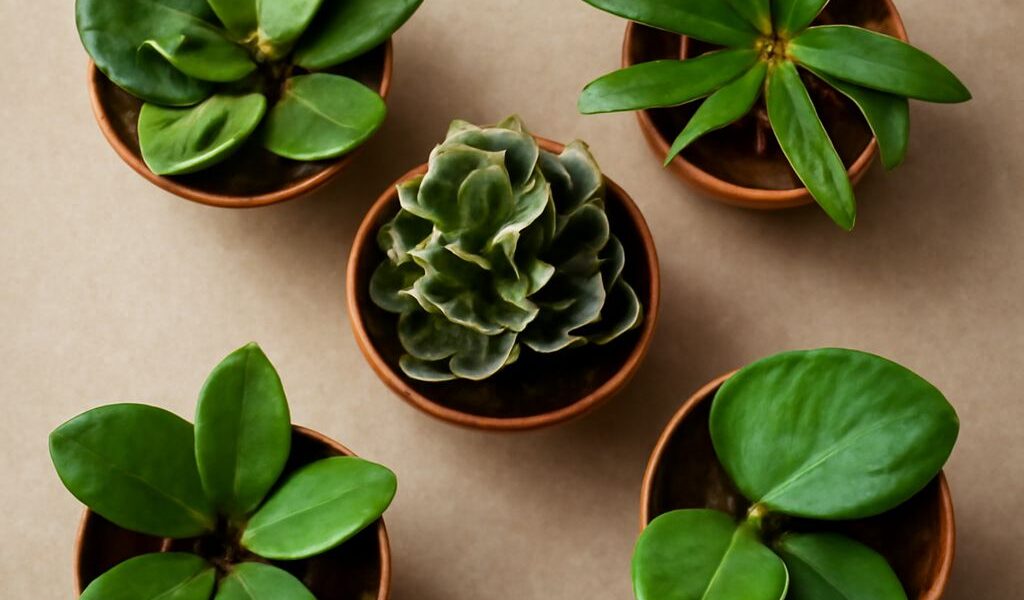
- Hoya compacta (Hindu Rope): With tightly curled, succulent leaves, this variety adds a dramatic, textural element to any space. Its clusters of pale pink flowers are a favorite among collectors.
- Hoya australis: This easygoing hoya features rounded, shiny leaves and is known for its large, white, and fragrant flower clusters. It’s ideal for anyone seeking a hardy, rewarding species.
- Hoya kerrii (Sweetheart Hoya): Famous for its heart-shaped leaves, this type makes an adorable gift or desk plant. While single-leaf cuttings are common, mature specimens can develop into full, vining plants.
- Hoya obovata: Appreciated for its broad, oval leaves with silver speckling, this hoya is both beautiful and easy to care for, flowering generously under the right conditions.
These hoya plant types each offer unique growth habits, foliage shapes, and flower colors, making it easy to find the perfect fit for any style or skill level. Many collectors enjoy growing several varieties together to showcase the range of forms and textures found in the hoya genus.
How to Choose the Best Hoya Plant Types for Your Space
When selecting among the many hoya types, we consider several key factors to ensure the right match for our home or office. First, think about lighting. While most hoyas prefer bright, indirect light, some types—like Hoya australis—are more forgiving of medium light. If window space is limited, opt for varieties that tolerate lower light levels.
Size and growth habit are also important. If we have space to fill or want a cascading look, trailing types like Hoya pubicalyx or Hoya carnosa are ideal. For desks or smaller shelves, compact varieties such as Hoya kerrii or Hoya compacta are more practical.
We should also factor in flowering preferences. Some hoyas, like Hoya obovata, are known for frequent and beautiful blooms, while others offer more subtle or occasional flowers. If fragrance is important, make sure to select a type reputed for scented blooms.
Finally, consider your care routine. Although most hoya plant types are resilient, some (such as Hoya compacta) require extra attention to avoid issues like root rot. Matching a plant’s care needs to our level of experience and available time makes for a more enjoyable growing experience.
Tips for Growing and Enjoying Hoya Varieties
To keep our hoya types thriving, we rely on a few simple yet effective care strategies. First, let the soil dry out between waterings—hoyas dislike soggy roots. Use a well-draining mix, such as one formulated for orchids or succulents, to mimic their natural growing conditions.
We recommend providing plenty of bright, indirect sunlight to encourage lush foliage and blooming, but take care to shield plants from harsh afternoon sun, which can scorch the leaves. Rotate your hoyas regularly to ensure even growth and prevent leggy vines.
Feeding hoya plant types with a balanced, diluted fertilizer during the growing season (spring through summer) helps support flowering and vigorous growth. Prune vines as needed to control their shape, remove dead leaves, and stimulate new shoots. When buds appear, resist the urge to remove the flower peduncles, as hoyas often rebloom from the same spot.
Finally, enjoy the process. Watching different hoya plant types develop, bloom, and thrive can be incredibly rewarding. Whether we’re new to hoyas or expanding an existing collection, these distinctive plants are sure to bring beauty and interest to any indoor garden.