 Gloria Davis
Growing bananas at home is entirely achievable with the right preparation and attentive care. Whether we want to enjoy fresh fruit from our backyard or simply add a lush, tropical touch to our garden, learning how to grow bananas starts with understanding their needs. This guide covers everything from choosing a banana variety to harvesting the fruit, so we can experience successful banana growing from start to finish.
What You Need to Grow Bananas
Bananas thrive in warm, frost-free environments with plenty of sunshine. To get started, we’ll need a few essentials. First, space is important: banana plants can reach up to 10-15 feet tall and spread several feet wide, so plan for ample room. Well-drained, nutrient-rich soil is vital, ideally with a pH between 5.5 and 7.0. If our soil is heavy clay, we should amend it with organic compost or grow in raised beds or large containers.
Consistent warmth is critical—bananas grow best when nighttime temperatures stay above 60°F (16°C). In cooler climates, we can grow dwarf banana varieties indoors or in greenhouses. We also need access to regular water, as bananas require steady moisture without becoming waterlogged. Basic gardening tools, mulch, and a supply of balanced fertilizer round out the list of necessities for anyone ready to learn how to grow bananas successfully.
How to Plant Banana Trees
Choosing the Right Variety
There are many banana varieties suited to different climates and uses. For outdoor planting in subtropical or tropical regions, choose robust types like ‘Cavendish’, ‘Rajapuri’, or ‘Grand Nain’. In cooler or indoor settings, dwarf options such as ‘Dwarf Cavendish’ or ‘Dwarf Orinoco’ are more manageable. The right variety ensures we get a hardy, productive plant that fits our growing space and climate.
Planting Steps
To answer how do you grow a banana tree, start with a healthy banana pup or rhizome from a reputable nursery. Plant in spring or early summer, when soil and air temperatures are warm. Dig a hole twice as wide and just as deep as the root ball. Position the banana pup so the roots are spread out and the base sits level with the soil surface. Backfill with loose, amended soil, and water deeply to settle the roots.
Plants should be spaced at least 8-10 feet apart, or 4-6 feet for dwarf varieties. Mulch around the base with straw or wood chips to conserve moisture and suppress weeds. For container growing, select a 15- to 25-gallon pot with good drainage and rich potting mix. Keep containers in the warmest, sunniest spot possible.
Caring for Your Banana Plant
Watering and Feeding
Banana plants are heavy feeders and need plenty of water to thrive. Keep the soil consistently moist, especially during hot weather, but avoid waterlogging, which can cause root rot. A deep watering once or twice weekly is usually sufficient if rainfall is lacking.
Fertilize monthly during the growing season with a balanced, slow-release fertilizer high in potassium. Organic options like composted manure or liquid seaweed also work well. As the plant matures, we can increase feeding to encourage strong stem and leaf growth, which leads to better fruit production.
Dealing with Pests and Diseases
Banana growing can be challenged by pests like aphids, spider mites, or weevils. Inspect plants regularly, and remove pests by hand or treat with insecticidal soap if needed. Keeping the area weed-free and removing dead leaves helps discourage infestations.
Common diseases include Panama wilt and leaf spot. Prevent issues by providing good air circulation, avoiding overhead watering, and promptly removing any damaged foliage. Healthy, well-fed plants are much more resilient to both pests and diseases.
Harvesting Bananas and What to Expect
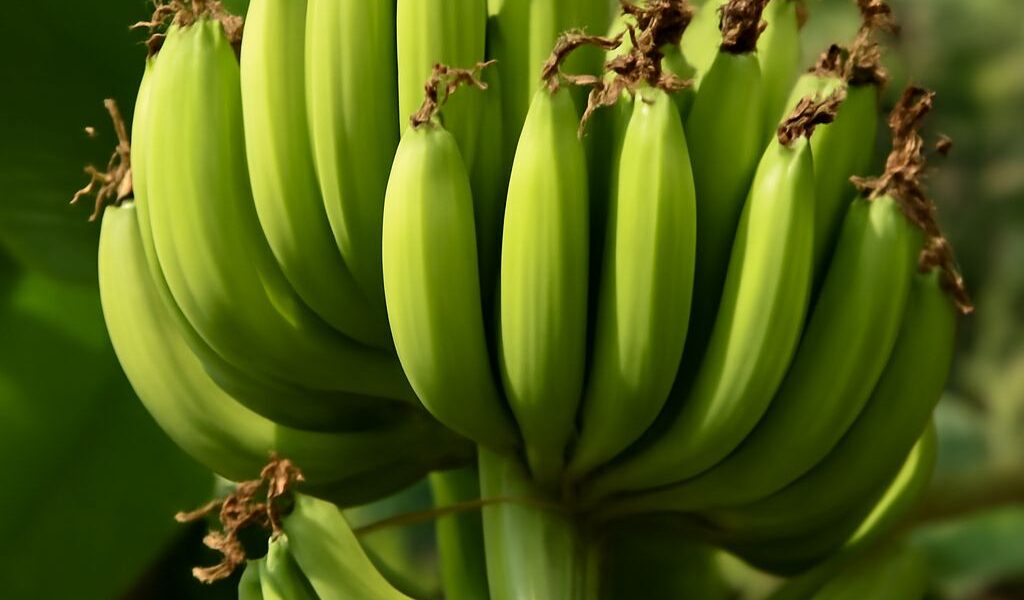
Banana plants typically take 9-15 months to produce mature fruit, depending on climate and variety. Flower stalks emerge from the center of the plant, and the bananas develop in upward-growing clusters. Harvest time arrives when the fruit is plump, starts turning from green to yellow, and the individual bananas have a rounded appearance rather than angular edges.
To harvest, cut the entire bunch from the stalk using a sharp, clean knife or pruners. Allow bananas to finish ripening indoors at room temperature. After harvesting, the main stem will die back, but new pups (side shoots) will emerge to form future fruiting stems, allowing the cycle of banana growing to continue in our garden for years to come.