 Gloria Davis
Broccoli sprouts are one of the simplest and most rewarding superfoods we can grow at home. They require minimal space, grow quickly, and pack a nutritional punch thanks to their high concentrations of sulforaphane and other beneficial compounds. With just a few supplies, we can enjoy crisp, peppery sprouts in under a week. Here’s exactly how to grow broccoli sprouts indoors, step by step.
Why Grow Broccoli Sprouts?
Broccoli sprouts are the tender young shoots of the broccoli plant, typically harvested just three to five days after germination. Unlike mature broccoli, these sprouts deliver a potent dose of sulforaphane—an antioxidant linked to cellular protection and detoxification. Studies have shown that broccoli sprouts may support heart health, help regulate blood sugar, and promote a healthy inflammatory response.
Beyond nutrition, growing broccoli sprouts at home is economical and convenient. We can produce a continuous supply with just a jar and seeds, eliminating the need for store-bought options that may be older or less fresh. Since sprouts are harvested so young, they’re easy to digest and versatile in salads, sandwiches, and smoothies.
If we care about food safety, home sprouting gives us total control over rinsing and hygiene. Plus, it brings a bit of green to our kitchen year-round, with no soil or major gardening skills required.
What You Need to Grow Broccoli Sprouts
Getting started with growing broccoli sprouts is straightforward. Here’s what we’ll need:
- Broccoli sprouting seeds: Choose organic, untreated seeds labeled specifically for sprouting. Regular garden seeds may be treated with chemicals unsuitable for consumption as sprouts.
- Quart-sized glass jar: A wide-mouth mason jar works best for air circulation and easy rinsing.
- Sprouting lid or mesh cover: These allow for easy draining while keeping seeds contained. We can use a store-bought sprouting lid, cheesecloth secured with a rubber band, or mesh screening.
- Filtered water: Sprouts are sensitive to contaminants in tap water, so filtering is recommended.
- Bowl or dish: For inverting and draining the jar between rinses.
No soil, sunlight, or fertilizer is necessary—these sprouts thrive on water, air, and ambient kitchen light.
Step-by-Step Guide: How to Grow Broccoli Sprouts
Soaking the Seeds
First, we measure out 2-3 tablespoons of broccoli sprouting seeds and place them in our clean jar. Add about a cup of filtered water and swirl to rinse, then drain. Refill the jar with fresh water, covering the seeds by at least an inch. Cover the jar with your mesh lid and let the seeds soak at room temperature for 8-12 hours or overnight. This starts the germination process and ensures even sprouting.
Rinsing and Draining
After soaking, drain the water thoroughly. Rinse the seeds with fresh filtered water, swirl, and drain again. Now, invert the jar at an angle over a bowl so excess moisture can escape and air can circulate. Place the jar out of direct sunlight but where you’ll see it easily.
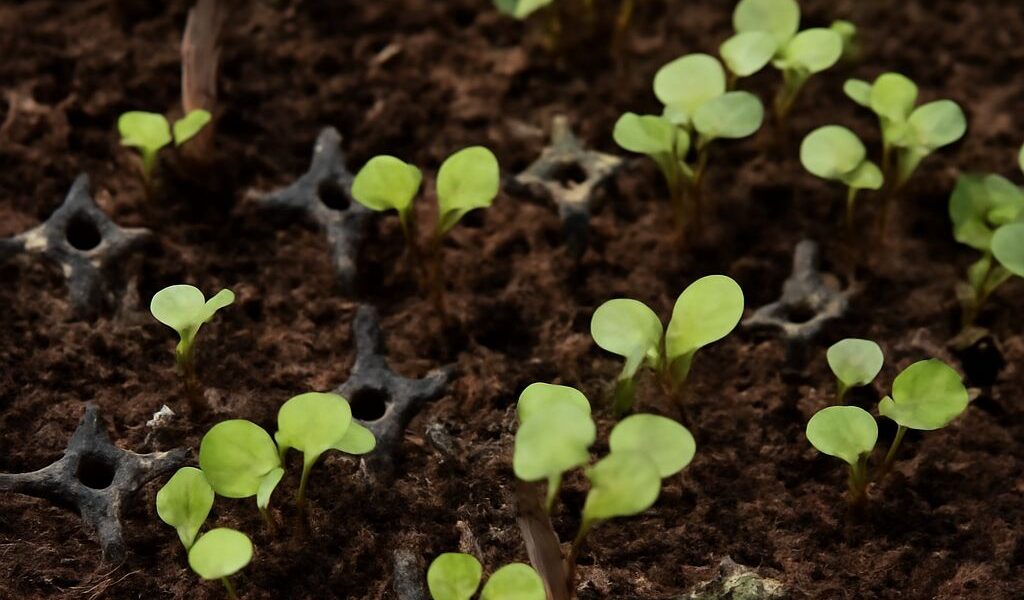
Repeat the rinse and drain process twice daily, morning and night. This keeps seeds hydrated but not waterlogged, which is essential to prevent mold. As we continue, the seeds will swell, split, and begin to grow small white shoots. By day three or four, we’ll see the beginnings of green leaves as the sprouts push upward.
Harvesting Your Sprouts
Broccoli sprouts are ready to harvest when most have green leaves and are about 1-2 inches long, typically on day 4 or 5. Give them a final rinse and, if desired, remove seed hulls by swirling sprouts in a bowl of water—the hulls will float and can be skimmed off.
Drain sprouts thoroughly. Pat them dry with a clean towel and transfer to a covered container lined with a paper towel. Store in the refrigerator for up to 5 days. Enjoy fresh in salads, sandwiches, wraps, or smoothies for maximum crunch and nutritional value.
Tips for Success When Growing Broccoli Sprouts
For best results, always use seeds intended for sprouting to avoid chemical residues. Keep your jar and utensils scrupulously clean to protect against bacteria. If you notice off smells, sliminess, or mold, discard the batch and start over.
Temperature plays a role—broccoli sprouts do best in a cool kitchen (65-75°F). If your kitchen is very warm, rinse three times daily to keep sprouts fresh. Indirect light during the last day of sprouting helps green the leaves, but avoid direct sunlight to prevent overheating.
Finally, rotate batches so a new jar is always sprouting. Once we master how to grow broccoli sprouts, we can experiment with mixing in other seeds like alfalfa or radish for variety. With just a week’s effort, we enjoy homegrown nutrition at its best.