 Gloria Davis
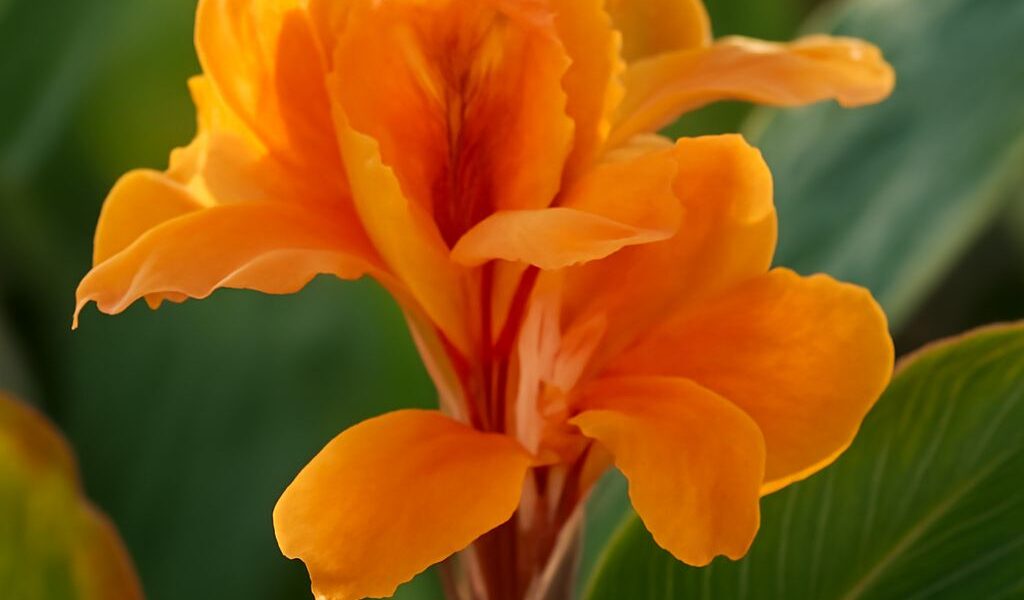
Canna lilies, with their vibrant blooms and striking foliage, are a favorite for adding bold color and texture to gardens. To keep these tropical perennials at their best, we need to give attention to every aspect of canna plant care, from planting to routine maintenance. Let’s explore exactly what canna lilies require to thrive, so we can enjoy healthy plants and abundant flowers season after season.
Understanding Canna Lilies and Their Growing Needs
Canna lilies (Canna spp.) stand out for their dramatic leaves and showy flowers, making them a popular choice in both borders and containers. While they’re called lilies, they’re not true lilies, and their care needs are distinct. Native to tropical and subtropical regions, canna lilies need warmth, moisture, and rich soil to reach their full potential.
When we talk about canna lily care, it’s important to note they are tender perennials in most climates. This means they grow year-round only in USDA zones 8-11; elsewhere, they’re lifted for winter storage. Their robust growth and continuous flowering, usually from midsummer to frost, depend on adequate water and nutrients. Canna lilies also attract pollinators, serving as both a visual highlight and a wildlife-friendly addition to our gardens.
Understanding these fundamental needs guides every step, from choosing the right site to seasonal care. Whether growing cannas in-ground or in pots, adapting our approach to their preferences results in healthier plants and more dramatic blooms.
Planting and Watering Canna Lilies
Proper planting is the foundation of successful canna plant care. We start by selecting healthy rhizomes from reputable sources. Plant canna lilies outdoors after all danger of frost has passed and soil temperatures are consistently above 60°F (16°C). Choose a location with room for their mature size—cannas can reach 4 to 6 feet tall, with some dwarf types staying under 2 feet.
We plant rhizomes horizontally, about 4-5 inches deep and 12-18 inches apart, with the pointed eyes facing up. After covering with soil, water thoroughly to settle everything in. Canna lilies thrive in moist, well-drained soil, so regular watering is crucial, especially during dry spells and the peak of summer. Aim to keep soil consistently moist but not waterlogged—overwatering can lead to root rot, while letting them dry out hinders flowering.
In containers, canna lilies may need daily watering in hot weather. We always check for drainage holes and use a quality potting mix that retains moisture. Mulching around in-ground cannas helps conserve soil moisture and keeps weeds at bay.
Light, Soil, and Fertilizer Requirements
Canna lilies need at least six hours of direct sun each day for best flowering. While they tolerate partial shade, blooms and foliage will be less impressive in low light. We place them in the sunniest spot available, avoiding competition from tree roots or the shade of large shrubs.
Soil quality has a major impact on canna lily care. These plants perform best in rich, well-draining soil amended with organic matter like compost. Heavy clay can cause waterlogging, while sandy soils may dry out too quickly, so we adjust by adding organic amendments according to our native soil type.
For fertilizer, we apply a balanced, slow-release granular fertilizer at planting. A 5-10-5 or 10-10-10 formula works well, followed by monthly feeding with liquid fertilizer during the growing season for lush growth and prolific blooms. We avoid excessive nitrogen, which can encourage leaf growth at the expense of flowers. Regular feeding, paired with rich organic soil, keeps canna lilies looking their best.
Seasonal Care and Maintenance for Canna Lilies
Canna lilies benefit from consistent seasonal care. Throughout the growing season, we deadhead spent flowers to encourage further blooming, and remove any yellow or damaged leaves to maintain a tidy appearance. This also helps reduce the risk of fungal issues.
In regions with frost, canna lilies must be lifted and stored for winter. After the first frost blackens foliage, we cut stems to 6 inches, carefully dig up the rhizomes, shake off excess soil, and let them dry for a day or two. We then store rhizomes in peat moss or sawdust in a cool, frost-free place until spring. In mild climates, we simply mulch rhizomes heavily and leave them in the ground.
Pest and disease problems are rare with proper canna plant care, but we watch for slugs, snails, and Japanese beetles. Regular inspection and prompt action keep infestations under control. By providing attentive seasonal maintenance, we ensure our canna lilies stay healthy and vibrant year after year.