 Gloria Davis
We all encounter plants we can’t identify—whether it’s a garden arrival, a wildflower on a hike, or a mysterious houseplant. If you’ve ever wondered, “what is my plant?”, there are reliable techniques and digital tools to help. Below, we’ll guide you through proven plant identification steps, highlight the best ways to identify plants by photo and leaf, and share actionable advice for getting fast, accurate answers.
Quick Steps to Identify Plants
When we set out to identify plants, a systematic approach improves our chances of success and accuracy. Here’s how we recommend starting:
- Observe the whole plant: Note size, shape, and growth habit. Is it a tree, shrub, vine, or herbaceous plant? Where is it growing—sun, shade, wet, dry?
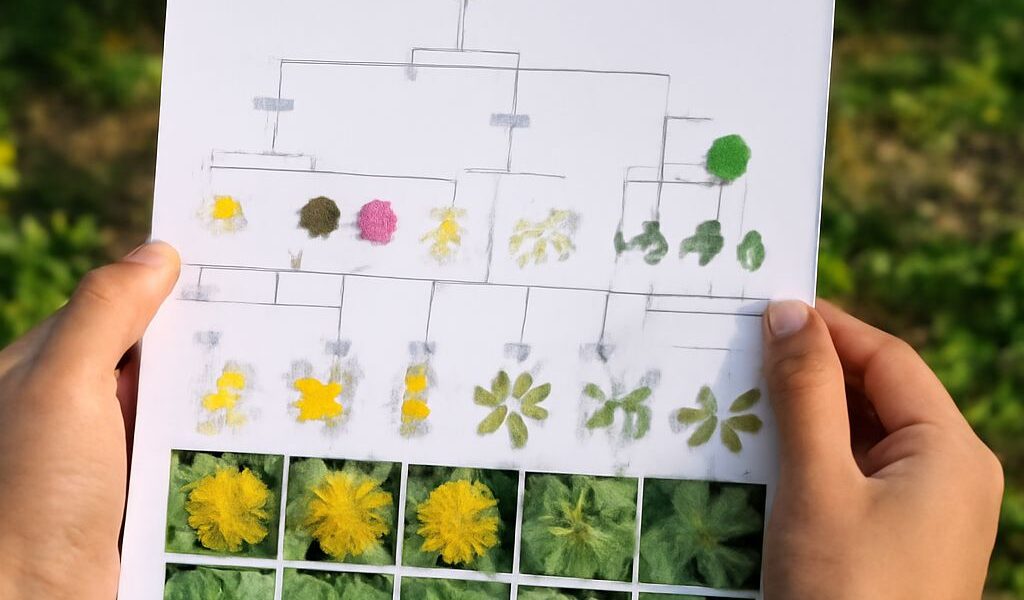
- Examine the leaves: Leaf shape, edges, arrangement, and texture all provide critical clues. We’ll break down specifics under “Plant Identification by Leaf” below.
- Look for flowers, fruit, or seeds: The color, shape, and arrangement of flowers and fruit can quickly narrow down the options.
- Document with photos: Take clear pictures from multiple angles. Include close-ups of leaves, flowers, fruit, and the full plant. This will be essential if you use a plant identification by photo method or ask an expert for help.
- Compare with references: Use field guides, websites, or apps to cross-check your observations. The more details you collect, the easier it is to identify your plant.
Following these steps will help you organize information, avoid common mistakes, and quickly rule out unrelated species as you progress.
Plant Identification by Photo: Best Tools and Apps
One of the fastest and most accurate methods today is plant identification by photo. With a smartphone, we can snap a picture and let artificial intelligence or real experts do the rest. Here are the most reliable tools and apps for plant identification by photo:
- PictureThis: This popular app analyzes plant photos instantly and provides detailed identification, care tips, and even troubleshooting for houseplants.
- PlantSnap: Known for its massive database, PlantSnap quickly recognizes flowers, trees, succulents, and more from your uploaded images.
- iNaturalist: Combining AI and community input, iNaturalist lets us submit photos for automated suggestions and expert verification. It’s especially useful for wild plants.
- Google Lens: Available through the Google Photos app, Google Lens identifies plants from any photo, linking results to relevant search information.
For best results, take photos in good light, include multiple angles, and focus on unique features (leaves, bark, flowers, fruit). Apps work best with clear, close-up images—avoid blurry, backlit, or cluttered backgrounds. While apps are remarkably accurate, always double-check with trusted sources before making assumptions, especially with edible or poisonous plants.
Plant Identification by Leaf: Key Features to Observe
Often, the easiest field clue is the leaf. Mastering plant identification by leaf involves knowing exactly what features to observe:
- Shape: Is the leaf round, oval, lance-shaped, or lobed? Maple leaves, for example, have distinctive lobes, while willow leaves are long and narrow.
- Arrangement: Are leaves arranged opposite each other on the stem, alternate, or in whorls? This pattern rules out many plant families immediately.
- Margin (Edge): Are the leaf edges smooth, serrated, or deeply toothed? Rosaceae family members often have finely serrated leaves.
- Texture and surface: Note if leaves are glossy, hairy, waxy, or rough. Succulent plants typically have thick, waxy leaves to conserve water.
- Venation: How do the veins run? Parallel (as in grasses), pinnate (like oaks), or palmate (like maples)?
Recording these characteristics, along with size and color variations, allows us to pinpoint a species or at least narrow it to a genus or family. If possible, compare your sample to a regional field guide or online database for confirmation.
What to Do When You Ask ‘What Is My Plant?’
If you’re left wondering, “what is my plant?”, start by gathering as much information as possible—photos, location, context, and detailed leaf and flower features. Then, try these steps:
- Use a reputable app: Upload your best photos to one of the plant ID apps mentioned above.
- Ask a plant community: Sites like Reddit’s r/whatsthisplant, Facebook groups, and gardening forums can offer rapid, crowd-sourced help if you share clear photos and context.
- Consult a local expert: Local garden centers, botanical gardens, or cooperative extensions often offer plant identification as a service—bringing a cutting or photo can yield a fast answer.
By combining technology with traditional observation and community resources, we can confidently identify plants and expand our gardening knowledge—no matter what new green mystery we encounter.