 Gloria Davis
Paperwhite flowers brighten up winter months with their clusters of fragrant, delicate white blooms. These easy-to-grow bulbs belong to the white narcissus family and can be enjoyed both indoors and out. Whether we’re looking to add elegance to a holiday table or bring some cheer to a windowsill, learning how to grow paperwhites is a straightforward and rewarding process. Let’s explore what makes the paperwhite plant unique and how we can cultivate and enjoy this classic white narcissus.
What Is a Paperwhite Flower?
The paperwhite flower is a type of white narcissus, botanically known as Narcissus papyraceus. Unlike many other narcissus varieties, paperwhites do not require a cold period to bloom, making them especially popular as indoor winter flowers. Their name comes from the pristine white color and papery texture of the blooms, which cluster together on slender green stems.
We often associate paperwhite flowers with freshness and simplicity. They typically reach about 12 to 18 inches in height and each stem may produce eight to twelve star-shaped blossoms. The sweet, musky fragrance of paperwhites is another hallmark, filling rooms with their scent soon after the buds open. As members of the amaryllis family, paperwhites are closely related to daffodils but distinguished by their pure white petals and more delicate stature.
While wild paperwhites are native to the Mediterranean, cultivated varieties are readily available and can be forced to bloom almost any time indoors. Outdoors, they thrive in mild climates where frost is rare. Their versatility and minimal care requirements make them a favorite for both seasoned gardeners and beginners.
How to Grow Paperwhites Successfully
One of the main reasons we choose the paperwhite plant for indoor displays is the ease with which it can be coaxed into bloom. Here’s how to grow paperwhites with success, whether we’re using soil or just water and pebbles.
- Choose healthy bulbs: Select firm, unblemished paperwhite bulbs. Slightly larger bulbs will generally produce more abundant blooms.
- Pick your container: Shallow bowls or vases work well. If growing in water, ensure the container is at least 3–4 inches deep to support the roots.
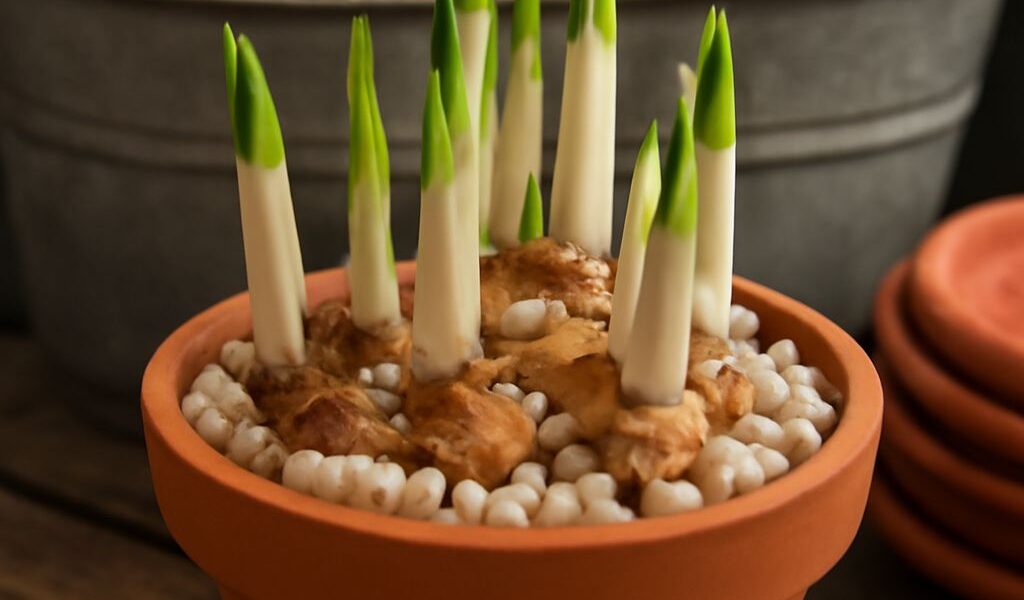
- Add a base layer: For the water method, place a layer of clean pebbles, glass beads, or marbles in the bottom of the container. If using soil, fill the pot with well-draining potting mix.
- Set the bulbs: Position the bulbs close together, pointy side up, with about half to two-thirds of each bulb above the medium. For water culture, add water until it just touches the base of the bulbs—too much water can cause rot.
- Sunlight and temperature: Place the container in a bright but cool location (50–65°F or 10–18°C). After the roots and shoots develop in a week or so, move the container to a spot with more sunlight.
The entire process from planting to bloom usually takes 3–5 weeks. For continuous blooms throughout winter, we can stagger plantings every two weeks.
Caring for Your Paperwhite Plant
Once our paperwhite bulbs have been planted, a few simple steps help ensure the plants remain healthy and beautiful. Water is the main consideration—if we’re forcing bulbs in water, maintain the water level so it just touches the base of the bulbs. For paperwhites in soil, water when the surface feels dry but avoid letting bulbs sit in soggy soil.
Paperwhites need bright, indirect light to thrive. If stems begin to stretch or flop, it usually means they need more light. Rotating the pot every few days helps the plant grow upright. If we notice excessive legginess, moving the container to a cooler spot can slow growth and encourage sturdier stems.
There’s no need to fertilize paperwhites forced indoors; the bulbs contain all the nutrients required. However, one tip we’ve found effective is adding a small amount of alcohol (such as diluted rubbing alcohol or gin) to the water after shoots appear—this can stunt growth just enough to prevent flopping without affecting blooms. For outdoor plantings in mild climates, we can treat paperwhites similarly to other narcissus: plant in the fall, water well until established, and allow foliage to die back naturally after flowering.
After flowering, indoor paperwhite bulbs rarely rebloom, so they’re typically discarded. Outdoor bulbs may return if winters are mild and soil is well-drained.
Enjoying the Beauty of White Narcissus
The pure white blooms of the white narcissus make paperwhites a standout in winter arrangements and holiday decor. We can use them en masse in low bowls for a dramatic centerpiece or mix them with evergreen clippings and red berries for festive displays. Their fragrant scent enhances entryways, kitchens, and bedrooms, especially when other flowers are scarce.
Paperwhites also make thoughtful gifts: arrange a few bulbs in a decorative bowl with care instructions, or present a blooming plant to brighten someone’s day. For those of us with gardens in warm regions, planting paperwhite bulbs outdoors adds early-season interest, as the blossoms often appear before most other spring bulbs.
By learning how to grow paperwhites and care for these charming plants, we bring a touch of elegance and nature’s fragrance into our homes at the bleakest time of year. Whether displayed singly or as part of a larger arrangement, the paperwhite flower remains a classic symbol of renewal and winter beauty.