 Gloria Glover
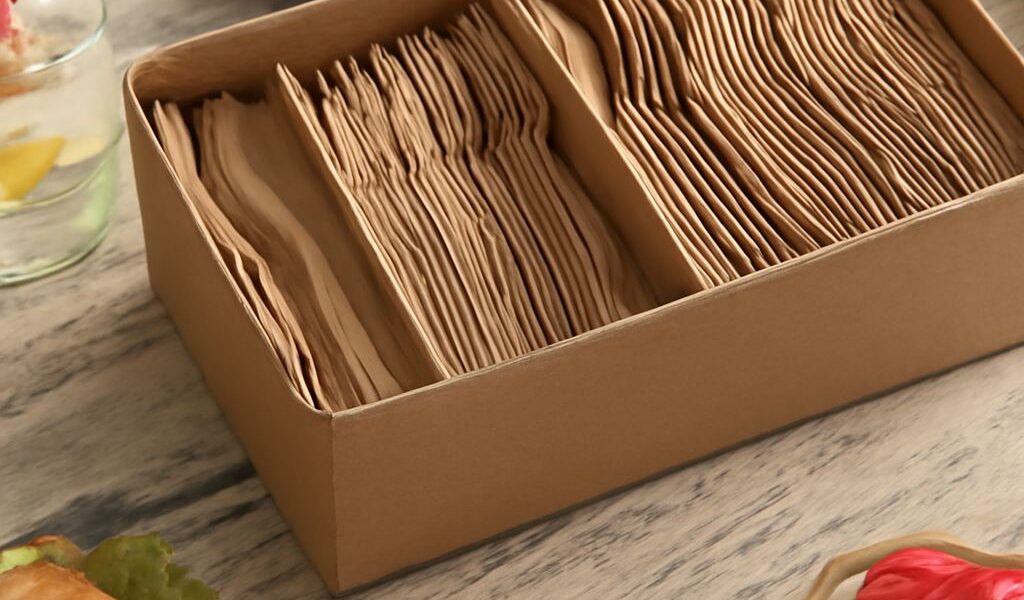
 For food-service items, the practical choice is simple: select a product with a clear material and certification, then confirm that your local facility accepts it. Biodegradable cutlery may break down through biological activity, but that label alone does not prove it belongs in a home or municipal compost bin. Certified compostable products have a defined breakdown target, usually under industrial composting conditions.
We should evaluate cutlery and containers with the same questions: What is it made from? Which certification supports the claim? What conditions does it need? Where will it go after use?
Biodegradable Cutlery vs. Compostable: What Each Claim Means
Biodegradable means microorganisms can break a material into simpler substances, but the claim may not specify how quickly this happens, under what temperature or humidity, or whether harmful residue remains. A biodegradable item can still persist for years in a landfill or fail to break down in a backyard pile.
Compostable is a more specific claim. A certified product must meet requirements for disintegration, biodegradation, and compost quality within stated conditions. Common indicators include BPI certification in North America or standards such as ASTM D6400 and EN 13432. These certifications generally support commercial, or industrial, composting—not ordinary trash disposal or home composting.
Therefore, “biodegradable” is not interchangeable with “compostable.” Check the certification, the required facility, and the disposal instructions rather than relying on either word alone.
Biodegradable Food Containers: Materials and Breakdown Conditions
Biodegradable food containers can use several different materials, each with a different end-of-life route:
- Wood and bamboo: Untreated items can biodegrade and may be suitable for home composting in small quantities, but coatings, adhesives, inks, and food residues can change that route. Municipal programs may still reject them.
- Bagasse and molded fiber: Made from plant fibers, these containers usually need moisture and active microbial conditions. Certified products are commonly intended for industrial composting.
- PLA: This bioplastic resembles conventional plastic but generally requires the heat and controlled conditions of an industrial composting facility. It will not reliably break down in a backyard pile.
- Paperboard with a lining: Fiber may be recyclable or compostable, while plastic or bioplastic coatings can determine whether the container is accepted. The package’s certification matters more than its paper appearance.
- Conventional plastic: A plastic item described only as recyclable or degradable should not be placed in compost. Follow the resin and local recycling instructions.
Compostable Food Containers: Home, Industrial, or Trash?
Most compostable food containers sold for takeout are designed for industrial composting. These facilities maintain higher temperatures, controlled moisture, airflow, and active processing. A backyard compost pile usually cannot provide those conditions consistently.
Home composting is appropriate only when the item is specifically certified for home composting, such as by a recognized home-compost standard, and the local program accepts it. “Biodegradable,” “plant-based,” and “made from renewable materials” are not sufficient evidence.
If no approved compost route exists, place the item in trash according to local guidance. Landfills generally lack the oxygen, moisture, and microbial activity needed for dependable composting. Do not put certified compostables in recycling unless the local program explicitly requests them; they can contaminate conventional recycling.
Choose the Material, Then Follow the Local Disposal Route
- Check the label: Identify the material and look for a recognized certification, not just a biodegradable marketing claim.
- Match the item to the facility: Use industrially compostable cutlery or containers only where a commercial composting service accepts that specific product.
- Confirm home compost eligibility: Choose home-certified items for backyard composting, and remove labels or parts that the certification excludes.
- Use the fallback route: If no suitable compost or recycling stream exists, put the item in trash. Avoid sending it to a collection bin based on appearance alone.