Learn about the diverse varieties of Tradescantia and their natural habitats. Explore how these native plants thrive in forest ecosystems.
Exploring Tradescantia and Its Varieties in Native Habitats
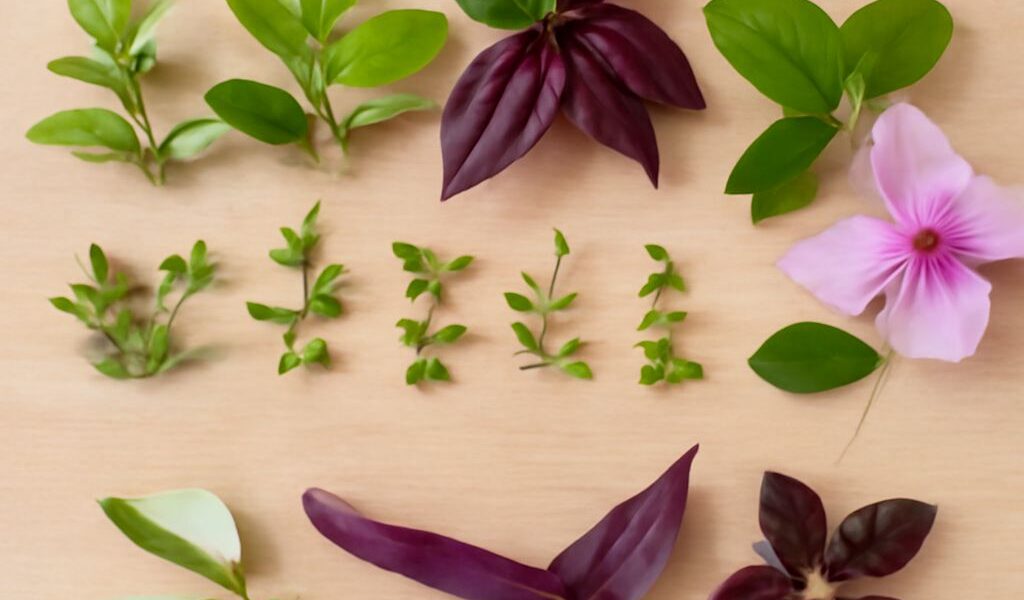
Learn about the diverse varieties of Tradescantia and their natural habitats. Explore how these native plants thrive in forest ecosystems.
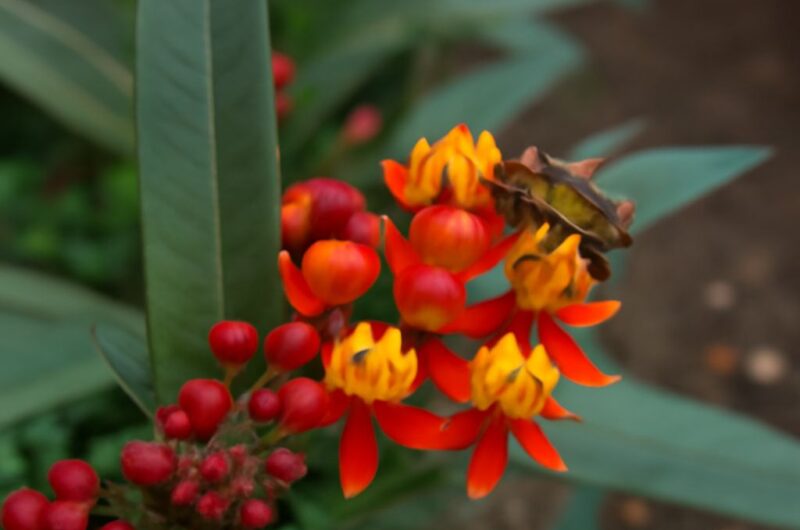
Learn how milkweed caterpillars use host foliage. See how butterflies pollinate flowers while feeding. Discover bee balm flower nectar and plan a layered garden for caterpillars and butterflies.
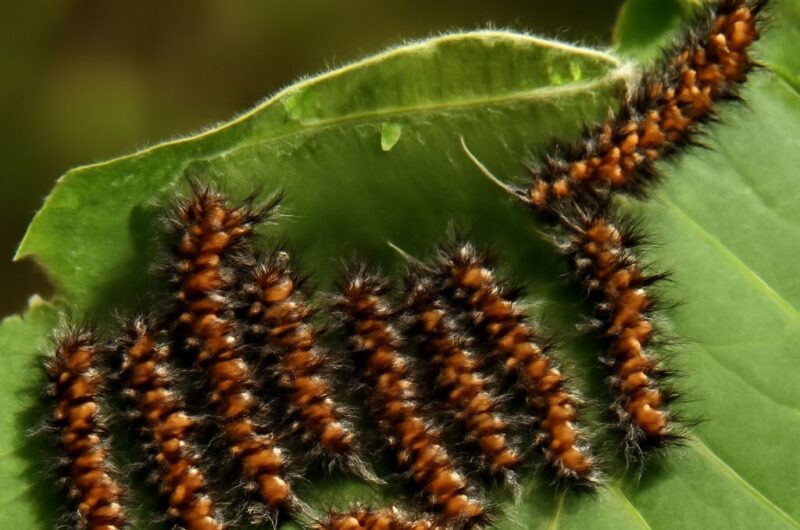
Learn to identify the milkweed tussock caterpillar, read its feeding signs, and understand how this native moth larva uses milkweed without confusing it with a monarch caterpillar.
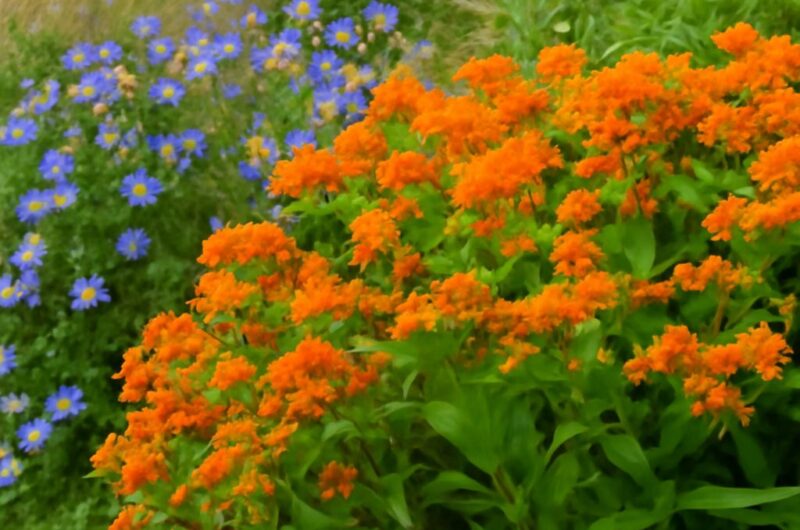
Butterfly pollination depends on flower shape, nectar access, and timing. Learn how yellow coneflower and marsh milkweed feed butterflies, provide habitat, and fit different garden conditions.
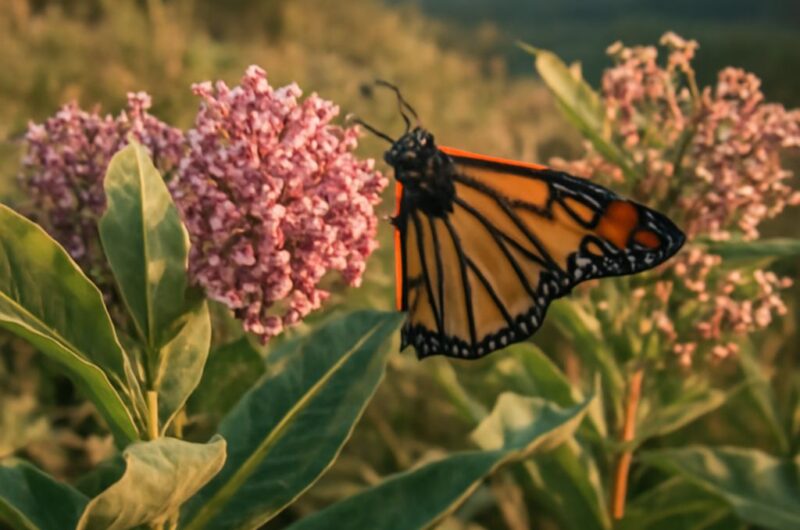
Learn what pink milkweed can mean, then choose native plants by sun, soil, moisture, height, bloom, spread, and habitat value to build a resilient planting plan for your site.
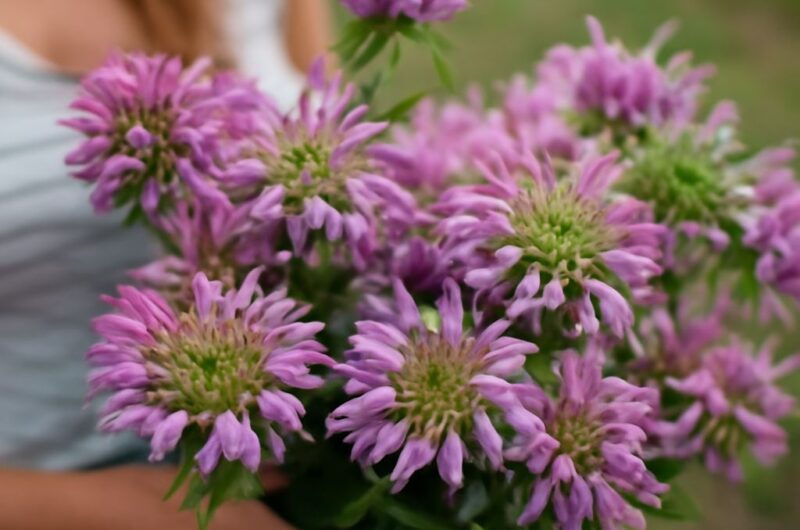
Lemon bee balm has citrus-scented leaves, square stems, and lavender flowers. Compare types of milkweed by region, moisture, size, and growth habit for a pollinator garden.
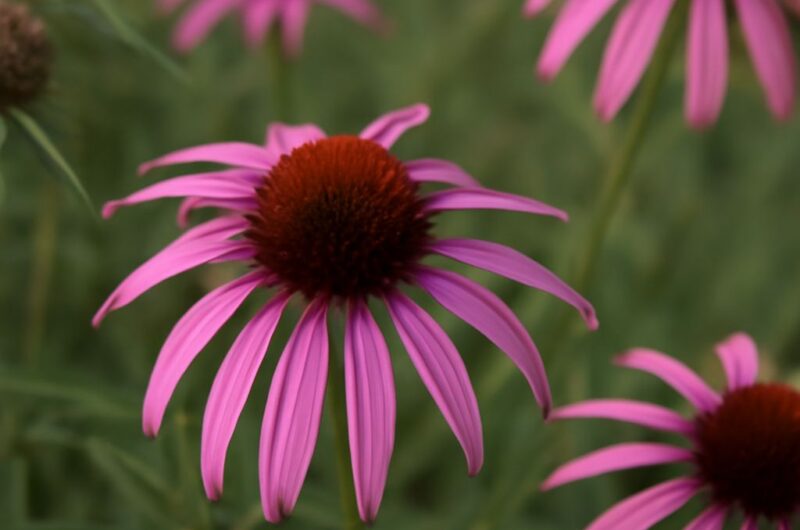
Learn how to identify orange milkweed, orange coneflower, and pale purple coneflower by their flowers and foliage, then compare sun, soil, moisture, height, bloom time, and pollinator value.
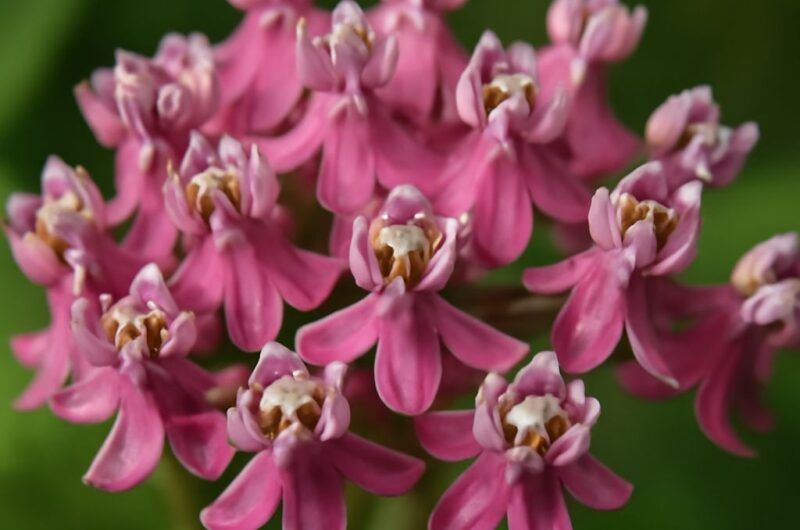
Host plants for butterflies feed caterpillars, while purple coneflower and other nectar plants support adults. Compare milkweed varieties by region, size, sun, and soil moisture.
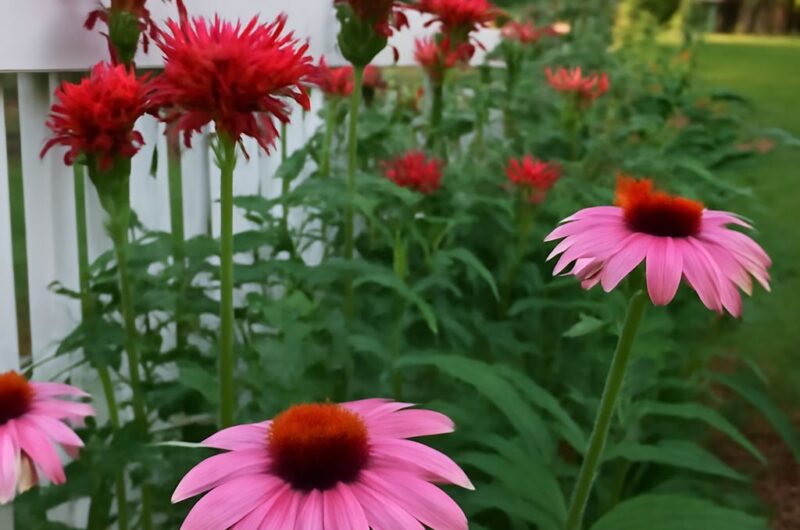
Bee balm, coneflowers, and swamp milkweed are distinct native-garden choices. Learn to identify, grow, and combine them by sun, soil, moisture, height, spread, bloom time, and pollinator value.