Host plants for butterflies feed caterpillars, while purple coneflower and other nectar plants support adults. Compare milkweed varieties by region, size, sun, and soil moisture.
Host Plants for Butterflies: Choose Milkweed and Purple Coneflower
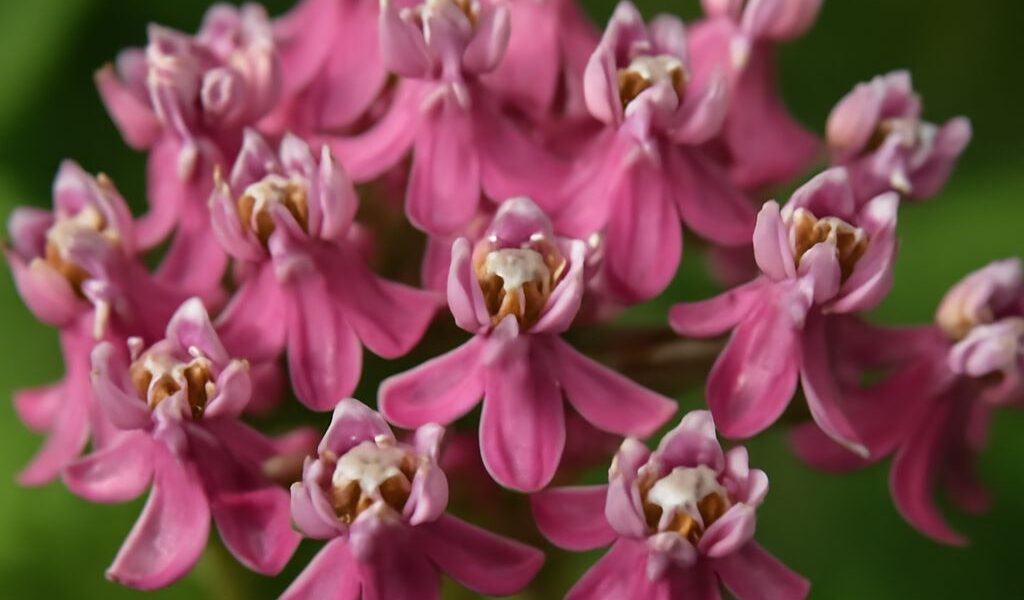


Host plants for butterflies feed caterpillars, while purple coneflower and other nectar plants support adults. Compare milkweed varieties by region, size, sun, and soil moisture.

Explore environmental sustainability examples and learn how environmental, social, and economic choices shape food, transport, shopping, water use, and community life.
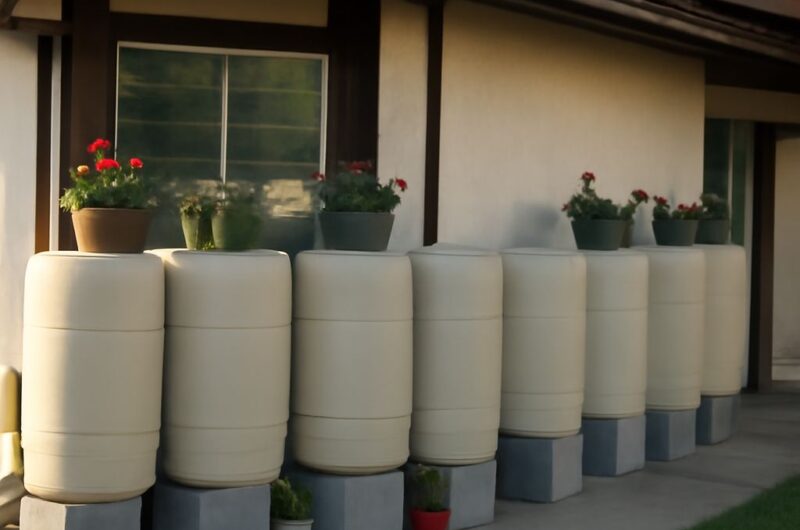
Rainwater barrels capture roof runoff for gardens. Learn to size a container, add a screened inlet, overflow, stable base, and low-pressure outlet, then place and drain it safely—not for drinking.

Explore the advantages and disadvantages of hydropower: how moving water drives turbines and generators, connects to the grid, and affects emissions, ecosystems, communities, reliability, and cost.

What is topsoil, and how much do you need for a raised garden bed? Use a topsoil calculator formula, convert cubic feet to cubic yards, and build a balanced mix with compost.
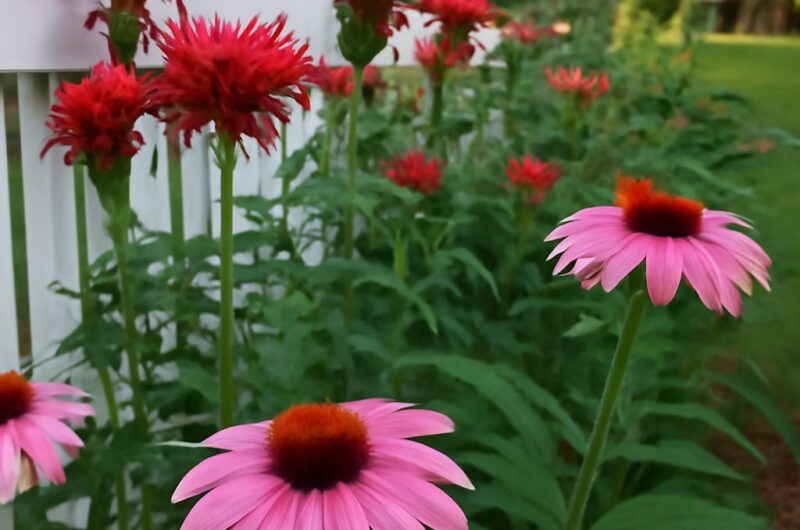
Bee balm, coneflowers, and swamp milkweed are distinct native-garden choices. Learn to identify, grow, and combine them by sun, soil, moisture, height, spread, bloom time, and pollinator value.

Learn how climate zones are mapped by long-term temperature and precipitation, where major climate groups occur, and how a climate zone shapes and is reshaped by human life.