 Gloria Davis
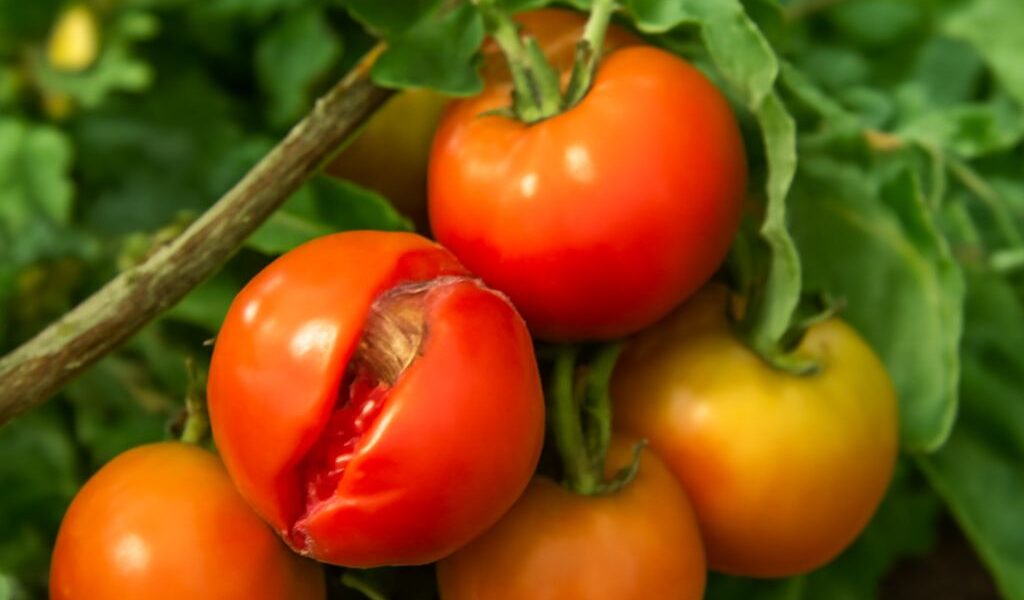
A ripe tomato can develop a deep line across its shoulder soon after a heavy rain. The flesh has expanded faster than the skin can stretch, leaving an opening that may expose the fruit to decay. Changes in water supply are a common reason tomatoes crack, although variety, maturity, and weather also affect the outcome.
If tomatoes on your plants are splitting, look at the pattern and the fruit’s condition before deciding what to do. A dry, healed scar differs from a fresh opening that has collected dirt or begun to soften. Neither can be repaired on the vine, but future fruit may benefit from steadier care.
Why Do My Tomatoes Split After Rain?
Why do tomatoes split? A dry period followed by abundant rain or irrigation can cause fruit to take up water and expand rapidly. When the skin cannot accommodate that growth, it breaks. Hot weather and wet soil can increase the risk, according to the University of Georgia tomato production guide. Rainfall is not entirely under a gardener’s control, so prevention reduces risk rather than eliminating it.
Two patterns are common:
- Radial cracks begin near the stem and run outward or downward along the fruit. They can become deep openings.
- Concentric cracks form rings around the stem end. They may be shallow and heal into corky scars, though they can also deepen.
The University of California IPM guide describes both patterns and connects radial cracking with rainy periods following dry weather. Inspect the whole fruit: a scar on the shoulder can coexist with damage on the underside.
Why do my tomatoes split even when other varieties in the bed look sound? Cultivars differ in their susceptibility, and fruit at different stages can respond differently to the same conditions. Ripening fruit may be especially vulnerable, but green tomatoes can crack too. A variety described as crack-resistant is less likely to split under some conditions, not immune to every storm.
Distinguish Growth Cracks From Other Damage
Why do tomatoes crack rather than develop a spot or a hole? Growth cracks are a physical response to conditions, not an infection by themselves. Radial lines and rings are clues, but an opening can later admit organisms that cause rot. Look for soft tissue, mold, or an unpleasant smell as well as the crack.
A dark, sunken patch at the blossom end suggests blossom-end rot, a different disorder associated with water and calcium movement in the plant. A small entry hole, frass, or a tunnel through the fruit can suggest insect feeding. Soft spreading patches or visible fungal growth need a different assessment from a dry scar. Local extension resources can help identify uncertain symptoms from clear photographs of the fruit and plant.
Do not assume a spray will prevent a crack caused by uneven moisture. Correcting the watering pattern and choosing a suitable variety address the conditions behind the damage more directly. If an insect or disease is present as well, identify it before deciding whether treatment is needed.
Keep the Root Zone More Evenly Moist
Water deeply enough to reach the roots and check the soil below the surface before watering again. The interval depends on rainfall, soil, plant size, and temperature. Sandy soil and containers can dry more quickly than heavier garden soil; a fixed daily schedule can leave one plant dry and another saturated.
Mulch around the plant, leaving space at the stem, to slow evaporation and reduce rapid changes in soil moisture. A soaker hose or drip line can deliver water near the roots without repeatedly wetting foliage. After a hot, dry spell, resume consistent watering rather than allowing the bed to swing between extreme dryness and saturation.
Support plants and maintain healthy foliage so fruit has some shelter from direct sun. Avoid excessive pruning that exposes a whole cluster, and follow a soil test or fertilizer label rather than applying extra nitrogen in the hope of preventing cracks. Healthy growth matters, but no single adjustment can stop a severe rainstorm from affecting susceptible fruit.
Assess Fruit and Harvest Carefully
Pick split tomatoes promptly and examine them individually. Mississippi State University Extension notes that healed scars can be cut away and the remaining fruit eaten. For fresh use, choose firm fruit with a dry, healed scar and no signs of rot; rinse under running water, cut away the scar with a clean knife, and use the fruit promptly. Discard fruit that is moldy, leaking, soft, foul-smelling, deeply open, or contaminated with soil or pests.
Do not use cracked or damaged tomatoes for canning or shelf-stable salsa. University of Minnesota Extension advises against damaged or cracked fruit for canned salsa because fruit condition can affect the safety of the batch. Follow a tested preservation recipe with sound produce.
Before a forecast soaking rain, harvest mature fruit that has begun to change color and let it finish ripening indoors. This can reduce exposure to the next wet spell, although it cannot reverse an existing crack. After rain, check the soil before adding water, inspect ripe and nearly ripe fruit for new openings, and harvest sound fruit gently. Separate damaged fruit immediately so it can be assessed and used or discarded without delay.
Sources accessed November 19, 2026.