 Gloria Glover
As plant enthusiasts, we understand the joy and satisfaction that comes from nurturing a thriving rubber tree plant. Known scientifically as Ficus elastica, this plant is a popular choice for indoor gardening due to its glossy leaves and resilience. Let’s dive into the essential care tips to ensure your rubber tree flourishes.
Understanding the Rubber Tree Plant
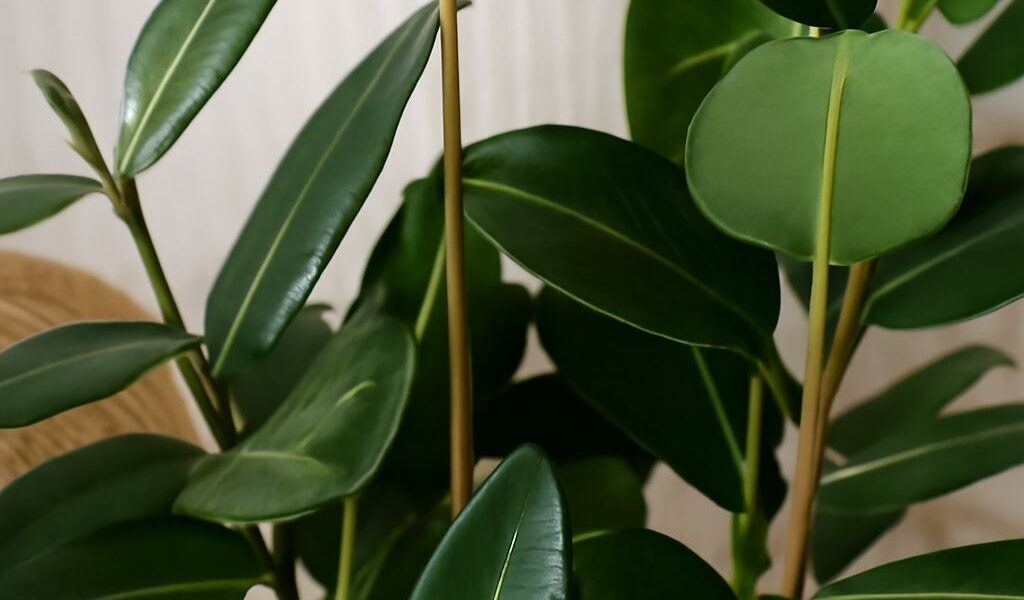
The rubber tree plant, or Ficus elastica, originates from the tropical regions of Southeast Asia. Its robust nature and adaptability make it ideal for indoor settings. The plant features large, leathery leaves that can add a touch of greenery to any space, making it a favorite among plant lovers.
Watering and Light Requirements
Proper watering and lighting are crucial for rubber tree care. The plant prefers bright, indirect sunlight. Direct sunlight can scorch its leaves, so we recommend placing it near a window with filtered light. Watering should be done when the top inch of the soil feels dry. Overwatering can lead to root rot, so ensure that the pot has good drainage and never let the plant sit in standing water.
Pruning and Maintenance
Regular pruning helps maintain the shape and size of your rubber tree plant. Use clean, sharp scissors to trim away any dead or yellowing leaves, as well as any branches that disrupt the plant’s shape. This encourages new growth and keeps the plant looking its best. Additionally, periodically wipe the leaves with a damp cloth to remove dust, which helps the plant breathe better.
Common Issues and Solutions
Despite its hardiness, the rubber tree can face a few common challenges. Dropping leaves might indicate a sudden change in environment or inadequate light, while yellow leaves often point to overwatering. If pests like spider mites or scale insects appear, gently wipe the leaves with a solution of water and mild dish soap. Ensuring proper care and making minor adjustments can resolve most issues, allowing your rubber tree plant to thrive.