 Gloria Davis
Creating a beautiful flowers garden is one of the most rewarding ways we can bring color, life, and biodiversity to our outdoor space. Thoughtful selection of flower garden plants, paired with careful planning and ongoing care, allows us to enjoy season-long blooms and a landscape that genuinely reflects our style. Here’s how we can design a vibrant flowers garden, from essential plant picks to layout ideas and practical care tips.
What Is a Flowers Garden and Why Choose One?
A flowers garden is a dedicated outdoor space intentionally planted with a diverse mix of flowering plants. Unlike mixed borders or general landscaping, the primary focus here is the visual appeal and seasonal performance of blooming flowers. By planting a flowers garden, we create a dynamic habitat that attracts pollinators, supports local wildlife, and provides continual blooms from spring through fall.
Choosing a flowers garden gives us flexibility to experiment with color palettes, heights, and bloom times. Whether we’re working with a small urban yard or a sprawling suburban plot, we can tailor our plant selection and design to suit our space, sunlight, and maintenance capacity. A well-planned flowers garden also helps improve curb appeal, fosters relaxation, and brings a sense of accomplishment every time new buds open.
For many gardeners, the flowers garden is an evolving project that adapts with our tastes, climate, and gardening skills. We can start small and expand over time, or dive into a comprehensive design from the outset. The key is choosing the right plants and thoughtfully arranging them for maximum impact.
Top Flower Garden Plants for Every Gardener
Selecting the best flower garden plants ensures sustained color and minimal maintenance. We should focus on both tried-and-true classics and new varieties suited to our region. Here are some top picks:
- Perennials: Plants like coneflowers (Echinacea), daylilies (Hemerocallis), black-eyed Susans (Rudbeckia), and peonies offer reliable blooms year after year with little replanting required.
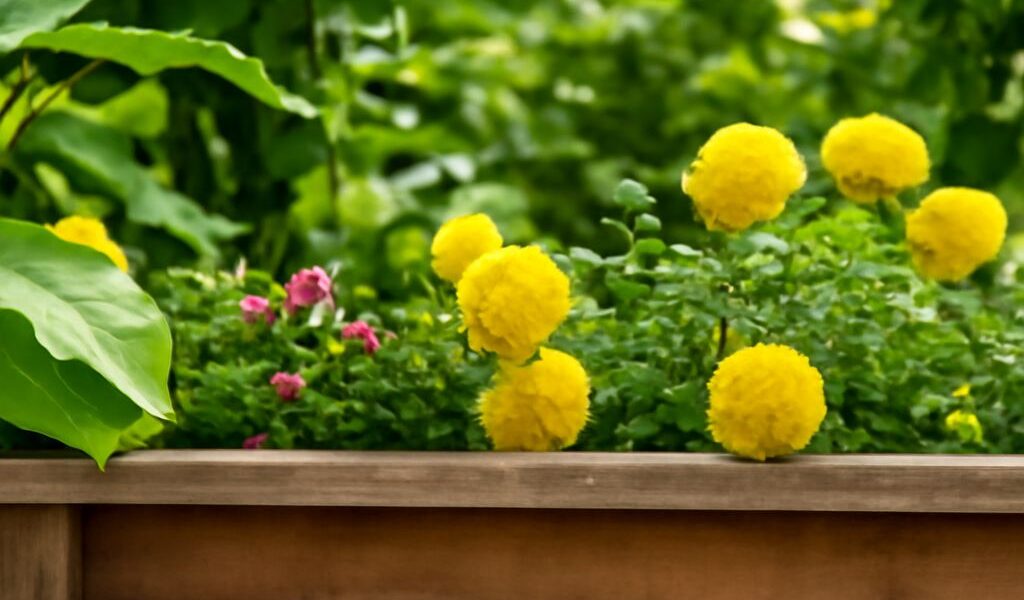
- Annuals: Petunias, zinnias, marigolds, and cosmos provide season-long color and can fill gaps between perennial blooms. These are ideal for containers or to refresh garden beds each spring.
- Bulbs: Tulips, daffodils, crocus, and lilies offer dramatic early- or mid-season color and are great for naturalizing in dedicated beds.
- Pollinator favorites: Consider bee balm, salvia, and lavender to attract bees, butterflies, and hummingbirds.
When choosing flower garden plants, we need to consider sunlight, soil type, and local climate. For shady gardens, astilbe or hosta thrive, while sun-drenched spots are ideal for coreopsis, gaillardia, or Russian sage.
Designing and Planning Your Flowers Garden
To lay the groundwork for a successful flowers garden, we start by mapping out the space. Sketching a scaled layout helps us visualize groupings and ensure good plant spacing. We recommend grouping plants by height—taller varieties like hollyhocks or delphiniums at the back, mid-size bloomers such as phlox and shasta daisies in the middle, and low growers or edging plants like alyssum and violas along the front.
Incorporating a mix of heights, textures, and flowering times ensures our flowers garden looks full and interesting through the seasons. For extra color impact, we cluster three or more of the same plant together, creating bold drifts rather than isolated dots of color.
For practical access, we plan wide paths or stepping stones between beds. Curved lines and naturalistic shapes lend a relaxed, organic feel, while formal layouts with straight edges suit a more structured look. Adding focal points—such as a bench, trellis, or birdbath—can anchor the garden visually and provide additional interest.
Essential Care Tips for a Thriving Flowers Garden
With the right flower garden plants and a thoughtful layout, we maximize both beauty and ease of maintenance. Regular care is essential for lasting success:
- Watering: Most flowering plants need about 1 inch of water per week, either from rainfall or supplemental watering. Early morning is best to prevent disease.
- Mulching: Apply a 2-3 inch layer of organic mulch to conserve moisture, suppress weeds, and enrich the soil as it breaks down.
- Deadheading: Remove spent blooms to encourage more flowers and maintain a tidy appearance. Some, like zinnias and marigolds, rebloom prolifically when deadheaded.
- Fertilizing: Feed perennial and annual beds with a balanced, slow-release fertilizer in spring and as needed through the growing season.
- Monitoring for pests and disease: Regularly inspect leaves and stems. Early intervention with organic treatments or hand removal can keep issues from spreading.
Taking these steps ensures our flowers garden remains healthy, vibrant, and a true highlight of our outdoor space season after season.