 Gloria Davis
Understanding how landfills work is crucial in comprehending the broader scope of waste management systems. As we navigate this topic, we’ll delve into the mechanics of landfills, their components, and sustainable practices that help minimize environmental impact. By exploring these aspects, we aim to provide a comprehensive guide to how landfills function.
The Basics of Landfill Operation
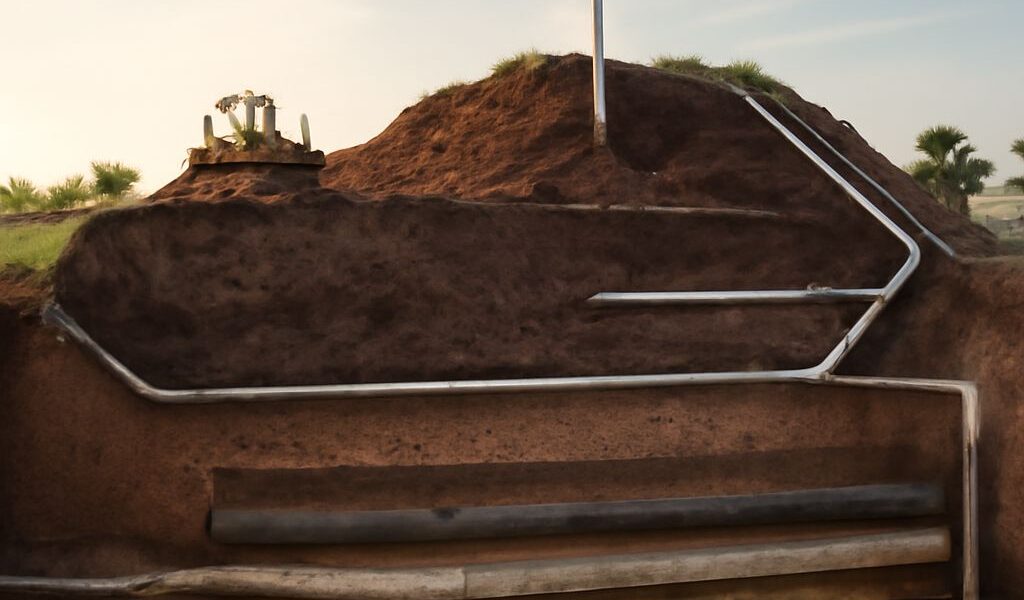
At the core of how landfills work is the process of systematically layering waste in designated areas. Landfills are engineered sites designed to store waste by layering it in cells. Each cell is compacted to maximize space, and once filled, it is covered with soil or other materials to minimize exposure to the elements. This process ensures that waste remains contained, reducing risks of contamination to nearby areas.
Key Components of a Landfill
Liners and Cover Systems
Liners are typically constructed from synthetic materials or compacted clay, serving as a barrier between the waste and the environment. They prevent leachate, a liquid form of waste, from seeping into the ground and contaminating groundwater. Covers, on the other hand, are used to seal off completed cells, keeping odors at bay and minimizing pest attraction.
Leachate Management
Leachate management is integral to maintaining the environmental safety of a landfill. Collection systems are installed to capture leachate, which is then treated to remove harmful chemicals before it is safely released or reused. Proper leachate management is essential to prevent groundwater pollution and safeguard local ecosystems.
Gas Collection Systems
As waste decomposes, it generates landfill gases, primarily methane and carbon dioxide. Gas collection systems are implemented to capture these gases, preventing them from contributing to air pollution and climate change. Collected gases can be processed and used as energy sources, turning potential pollutants into useful resources.
The Environmental Impact of Landfills
Landfills can significantly affect the environment if not properly managed. Issues such as greenhouse gas emissions and water contamination are common concerns. Methane, a potent greenhouse gas, is produced in large amounts, contributing to climate change. Additionally, if leachate is not adequately controlled, it can lead to groundwater pollution, affecting local water sources and ecosystems.
Sustainable Practices in Landfill Management
Sustainable practices are increasingly becoming part of landfill management to reduce environmental impact. Strategies such as enhancing recycling programs to divert waste away from landfills, improving waste compaction techniques, and utilizing advanced technology for gas and leachate management are crucial. Moreover, transforming landfill sites into community parks or habitats once they are closed can provide environmental and social benefits.