 Gloria Davis
Eutrophication is a critical environmental issue affecting aquatic ecosystems around the globe. As we delve into the steps of eutrophication, we aim to provide a comprehensive understanding of its process, effects, and prevention. This phenomenon primarily results from excessive nutrient enrichment in water bodies, leading to a cascade of ecological consequences.
What is Eutrophication?
Eutrophication is the process by which a water body becomes overly enriched with nutrients, particularly nitrogen and phosphorus. These nutrients originate from various sources, including agricultural runoff, sewage discharge, and industrial effluents. The excessive nutrient load fosters an overgrowth of algae and aquatic plants, which can significantly alter the natural balance of aquatic environments.
The Process of Eutrophication
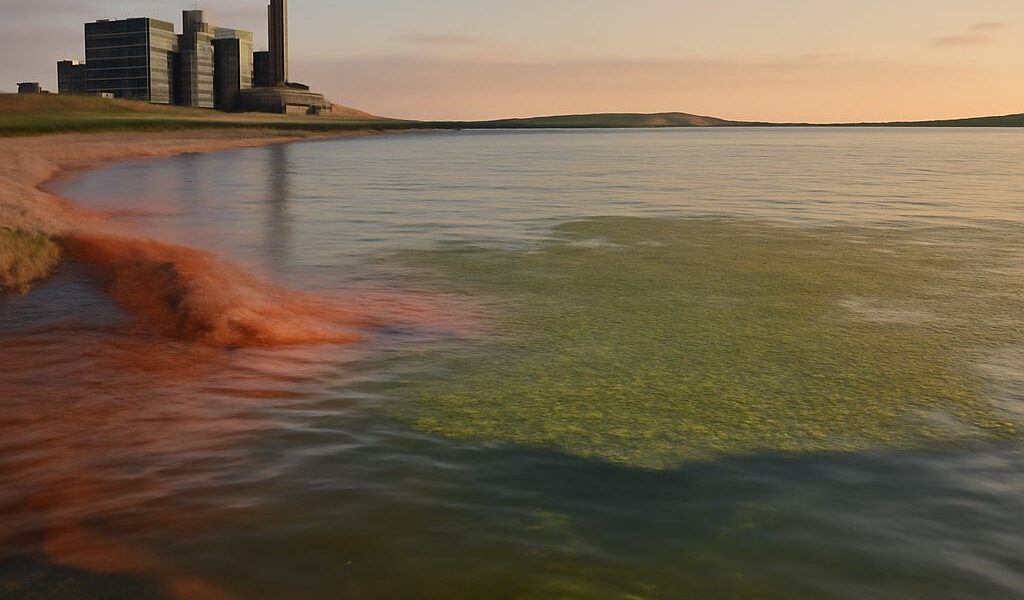
The process of eutrophication begins with the introduction of high levels of nutrients into a water body. These nutrients serve as food for algae, leading to algal blooms that can cover the surface of the water. This increase in algae is often visible as a thick, green layer on the water’s surface. As the algae die and decompose, the process consumes oxygen from the water, creating hypoxic, or low-oxygen, conditions that are detrimental to aquatic life.
Steps Involved in Eutrophication
The steps in eutrophication are straightforward but impactful. The initial step involves the influx of nutrients, typically from human activities such as agriculture and wastewater discharge. Following this, we observe algal blooms that proliferate rapidly due to the nutrient-rich environment. The decay of these algae then depletes the oxygen in the water, creating dead zones where most aquatic organisms cannot survive. Lastly, the ecosystem may experience a loss of biodiversity, with sensitive species disappearing and more resilient ones dominating.
Effects of Eutrophication on Aquatic Life
The effects of eutrophication on aquatic life are profound and often devastating. The reduction in oxygen levels can lead to fish kills and the collapse of other aquatic populations. The dense algal blooms block sunlight, affecting submerged vegetation and disrupting the food chain. Additionally, some algal species produce harmful toxins that can affect the health of aquatic organisms and even pose risks to humans who consume the contaminated water or fish.
Preventive Measures Against Eutrophication
Preventing eutrophication requires a multifaceted approach. Effective measures include reducing nutrient runoff by implementing sustainable agricultural practices, enhancing sewage treatment processes, and promoting the use of phosphate-free detergents. Additionally, creating buffer zones with vegetation around water bodies can help absorb excess nutrients before they enter aquatic systems. Public awareness and policy changes are also essential in mitigating the impacts of eutrophication and preserving aquatic ecosystems.