 Gloria Davis
Pussywillows bring a unique charm with their soft, fuzzy catkins that herald the arrival of spring. As gardeners and nature enthusiasts, we often find ourselves drawn to these captivating plants. In this guide, we’ll explore the delightful world of pussywillows and pussywillow trees, examining their characteristics, growth requirements, and the many ways they can enhance our gardens.
What Are Pussywillows?
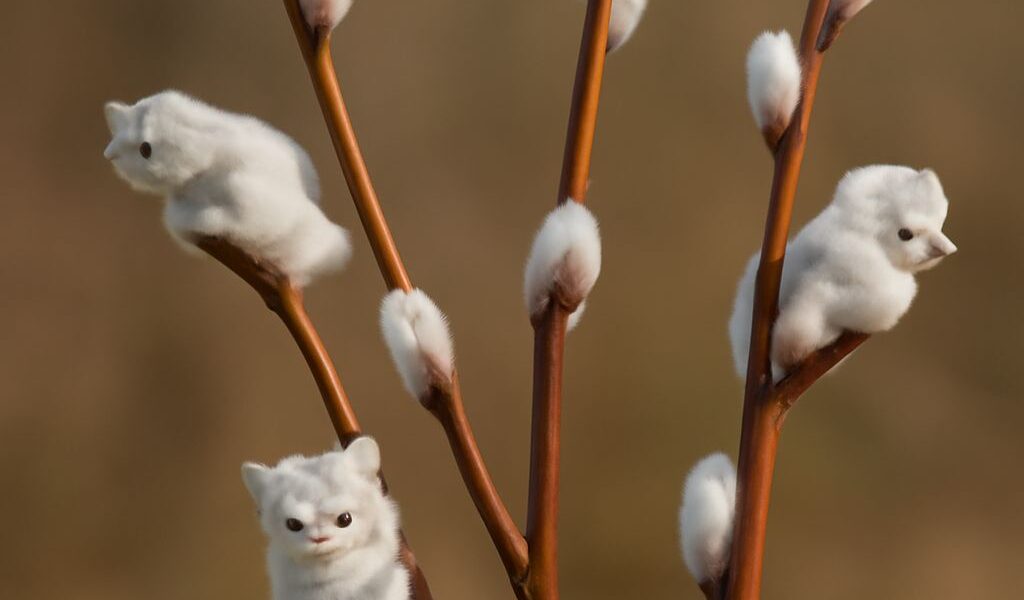
Pussywillows are deciduous shrubs known for their distinctive, silky catkins. These catkins appear on the branches before the leaves and are often one of the first signs of spring. Pussywillows belong to the genus Salix, which includes a variety of willow species. They thrive in wetland areas and add a striking visual interest to gardens with their early blooms.
Characteristics of the Pussywillow Tree
The pussywillow tree, or Salix discolor, is a small tree or large shrub that can reach heights of up to 20 feet. It features slender, flexible branches that support the iconic catkins. The leaves are narrow, lance-shaped, and turn a beautiful yellow in the fall. Pussywillow trees are dioecious, meaning male and female flowers grow on separate plants. The male catkins, which are the ones most prized for their fluffy appearance, are especially showy.
Growing and Caring for Pussywillows
Growing pussywillows in your garden is relatively straightforward. Here are some tips to ensure their healthy development:
- Location: Pussywillows prefer full sun to partial shade. They thrive in moist, well-draining soil and are excellent choices for wetland areas or near water features.
- Planting: Plant pussywillows in the fall or early spring. They can be propagated from cuttings, making them easy to expand in your garden.
- Watering: Regular watering is crucial, especially during dry spells. However, be cautious not to overwater, as this can lead to root rot.
- Pruning: Prune pussywillows annually to maintain their shape and encourage healthy growth. Remove any dead or damaged branches in late winter.
Uses and Benefits of Pussywillows
Pussywillows offer more than just aesthetic appeal. Here are some reasons to consider them for your landscape:
- Decorative Use: Their branches with catkins make beautiful indoor arrangements. They can be cut and displayed in vases to bring a touch of spring indoors.
- Wildlife Attraction: Pussywillows are excellent for attracting wildlife. Bees and other pollinators are drawn to the early blooms, while birds may use the branches for nesting.
- Erosion Control: With their extensive root systems, pussywillows are beneficial for stabilizing soil and preventing erosion, especially in wetland areas.
- Medicinal Properties: Historically, parts of the willow family have been used for their medicinal properties, including the production of salicin, which is related to aspirin.
Embracing pussywillows and pussywillow trees in our gardens not only enhances our landscape’s beauty but also supports local ecosystems. Whether you’re looking for a show-stopping early bloomer or a functional plant for wet areas, these charming shrubs and trees provide a multitude of benefits.