 Gloria Davis
The artemisia plant is a standout choice for gardeners who appreciate aromatic foliage, hardy growth habits, and subtle, attractive flowers. With its silvery-green leaves and delicate blooms, artemisia brings texture and fragrance to borders, herb gardens, and landscaping projects. In this guide, we’ll help you recognize artemisia at a glance, identify the distinct features of the artemisia flower, explore popular species, and share practical tips for growing and enjoying these versatile plants in your own garden.
What Is the Artemisia Plant?
Artemisia is a diverse genus of plants in the Asteraceae family, comprising more than 200 species found around the world. Many artemisia species are known for their aromatic leaves, silvery or grey-green coloring, and resilience in a variety of garden settings. Commonly referred to as wormwood, mugwort, or sagebrush, artemisia plants have been valued for centuries in culinary, medicinal, and ornamental uses.
In the garden, we often grow artemisia for its foliage rather than its flowers. The leaves are usually finely divided, sometimes feathery, and emit a distinct, sometimes sharp or herbal scent when brushed. These plants are typically drought-tolerant, deer-resistant, and unfussy about poor soils, making them popular for low-maintenance gardening. Artemisia’s growth habit can range from low mat-forming perennials to tall, shrubby species, depending on the variety.
One distinctive trait across most artemisia plants is their adaptability. From hot, dry Mediterranean climates to temperate gardens, artemisia thrives where other plants may struggle. This versatility makes it a reliable, structural element in mixed borders, cottage gardens, and even rock gardens.
How to Identify Artemisia Flowers
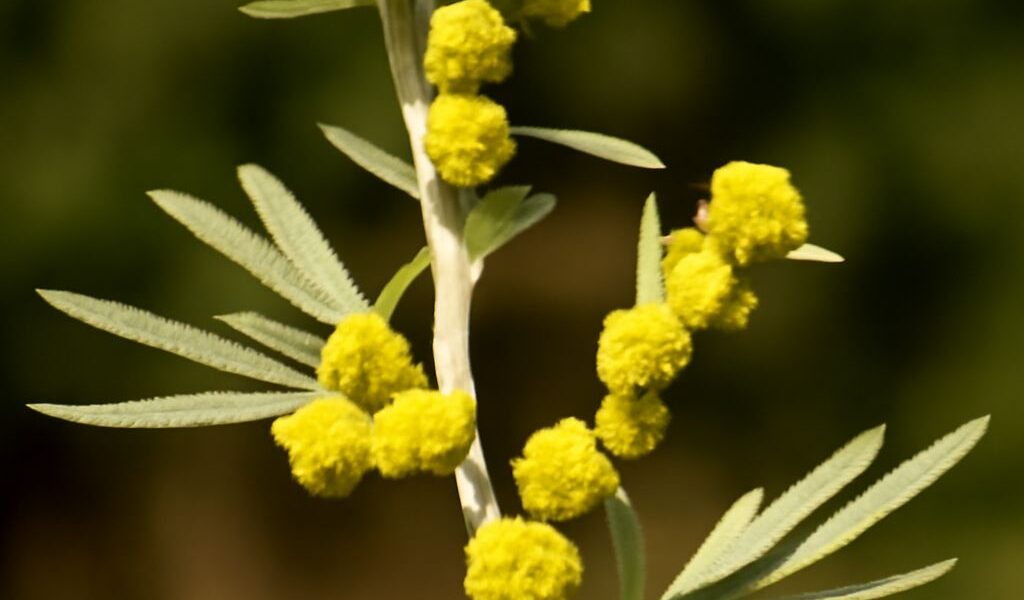
While foliage is artemisia’s main attraction, the artemisia flower has its own subtle charm. Flowers are typically small, understated, and grow in clusters or spikes above the foliage. Their color often ranges from pale yellow to greenish or silvery-white, blending in with the leaves rather than standing out in bold contrast.
To recognize artemisia flowers, look for tiny, daisy-like florets arranged in loose panicles or racemes. Each individual flower is usually less than a centimeter across, lacking the showy petals of many garden favorites. Instead, artemisia blooms have a more modest appearance, sometimes fuzzy or downy, that complements the plant’s textured leaves.
In most species, the blooming period occurs from late spring through early autumn. While the artemisia flower is not typically a focal point, it does add a delicate, wispy element to the plant’s overall profile. The flowers may attract some pollinators, though the aromatic leaves play a more significant role in deterring pests. When used in cut arrangements or dried bouquets, the flower heads lend an understated, wild look.
It’s important to note that different species can produce subtly different blooms, so getting familiar with the overall plant shape, leaf texture, and aroma will help ensure proper identification alongside observing the flowers.
Popular Types of Artemisia
There is impressive variety within the artemisia genus, and several species have become favorites in ornamental gardening. Here are a few we recommend considering:
- Artemisia absinthium (Wormwood): Known for its deeply cut, silvery foliage and traditional use in absinthe production. Wormwood grows upright, reaching 2-4 feet tall, and produces tiny yellow-green flowers in summer.
- Artemisia ludoviciana (White Sage): Valued for its fragrant, felted silver leaves that form a spreading groundcover. Its inconspicuous white blooms appear in late summer and attract attention for their texture.
- Artemisia schmidtiana ‘Silver Mound’: This compact cultivar is prized for its dense, finely divided silver foliage that forms tidy mounds—perfect for edging or mass planting. Flowers are small, yellowish, and often trimmed to keep the plant looking neat.
- Artemisia vulgaris (Mugwort): A taller, more robust option with aromatic, lobed green leaves and clusters of tiny, reddish-yellow flowers. Mugwort is also well-known in herbal traditions.
Each species brings distinct visual and aromatic qualities, making it easy to find an artemisia to suit nearly any garden design or functional need.
Tips for Growing and Caring for Artemisia
We find artemisia plants exceptionally easy to grow if you provide a few key conditions. Start by selecting a site with full sun and well-drained soil; these plants dislike wet feet and overly rich earth. Most artemisia species tolerate poor soils and drought, making them ideal for xeriscaping or low-input borders.
When planting, space artemisia varieties according to their mature size—compact types like ‘Silver Mound’ need about 12 inches between plants, while larger species may require 24-36 inches. Water young plants regularly to establish roots, but once settled, reduce watering to avoid rot. Over-fertilization should be avoided, as it encourages floppy growth and diminishes the foliage’s silvery sheen.
We recommend pruning artemisia in early spring to encourage bushy new growth and remove winter-damaged stems. For mounded types, shear lightly after flowering to maintain their shape. Divide clumps every 2-3 years to rejuvenate the plants and prevent overcrowding. Most artemisia species are deer-resistant and rarely troubled by pests or diseases.
With their resilience and beauty, artemisia plants reward gardeners with year-round interest and minimal fuss. Whether you value the artemisia flower or the striking foliage, these plants are a reliable, aromatic addition to the landscape.