 Gloria Davis
The Japanese black pine is an iconic evergreen that has graced gardens, temple grounds, and coastlines in Japan for centuries. Renowned for its striking silhouette, rugged bark, and dynamic needle clusters, this black pine tree adapts readily to various settings, from dramatic landscape plantings to refined bonsai displays. In this guide, we’ll explore the essential steps to successfully grow, care for, and creatively use the Japanese pine in our own gardens and projects.
What Is Japanese Black Pine?
The Japanese black pine (Pinus thunbergii) is a robust, salt-tolerant conifer native to the coastal regions of Japan and parts of Korea. It stands out for its bold, irregular form, with dark green needles in bundles of two and thick, mature bark that becomes deeply fissured and nearly black with age. Mature trees often reach heights of 20 to 80 feet in the landscape, but remain much smaller when cultivated as bonsai.
Unlike many conifers, the Japanese black pine thrives in challenging environments. Its resistance to wind, salt spray, and poor soil makes it a staple for coastal plantings and restoration projects. When compared to other pines, this species is particularly noted for its vigorous growth, strong apical dominance, and adaptability to training, especially in traditional Japanese horticulture.
In Japan, black pine trees are symbols of endurance and longevity, often featured in art and garden design. The species’ aesthetic value is enhanced by its irregular branching, which can be accentuated through careful pruning and shaping.
How to Plant and Care for Black Pine Trees
Planting a black pine tree starts with choosing the right location. We recommend a site with full sun—at least six hours per day—and well-draining soil. Japanese black pine tolerates sandy or even nutrient-poor soils, but it won’t thrive in heavy clay or waterlogged ground. If your soil is dense, consider amending it with sand or gravel to improve drainage before planting.
Plant in early spring or autumn. Dig a hole twice as wide as the root ball and just as deep. Gently tease out any circling roots, set the tree at the same depth it grew in the nursery, and backfill with native soil. Water deeply after planting, then mulch lightly around (but not against) the trunk to retain moisture and suppress weeds.
During the first year, water your japanese pine regularly to help it establish, especially in dry spells. Mature trees are drought-tolerant and require only occasional deep watering. Fertilization is rarely needed, but a light application of balanced fertilizer in spring can encourage growth if the soil is especially poor. Pruning should be done in late winter or early spring to shape the tree, remove deadwood, or control size. For bonsai, more detailed pruning and needle plucking techniques are used to refine the structure and encourage dense foliage pads.
Using Japanese Pine in Gardens and Bonsai
Japanese black pine is prized for its dramatic visual impact. In gardens, we often use it as a specimen tree, windbreak, or accent in coastal landscapes. Its resilience makes it ideal for seaside plantings where other evergreens would struggle. The tree’s sculptural form, especially when selectively pruned, provides year-round interest and a strong architectural element.
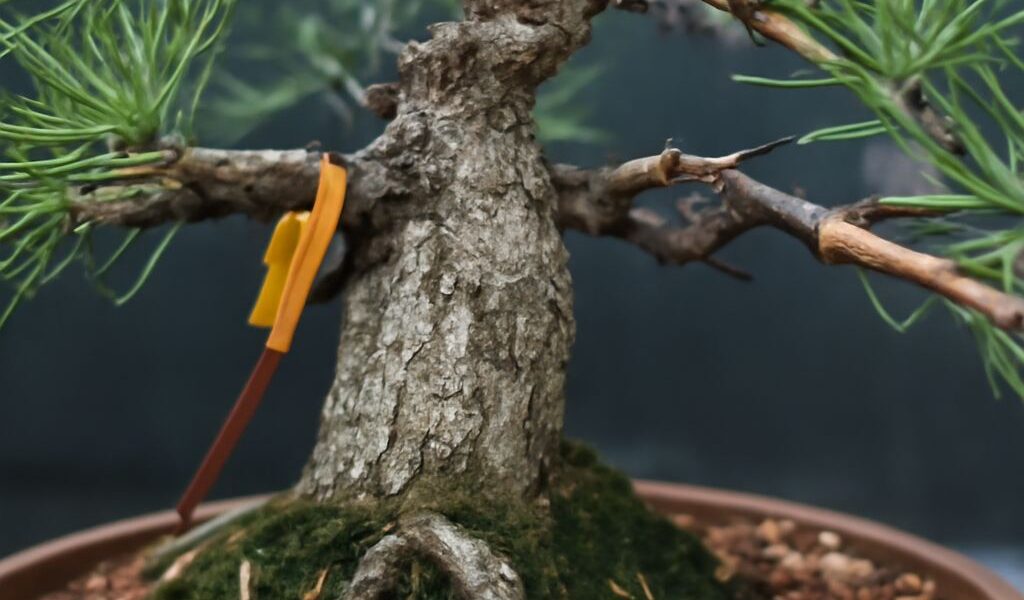
For bonsai enthusiasts, the Japanese black pine is a top choice due to its adaptability and striking features. Its growth habits allow for traditional shapes such as informal upright, slanting, and cascade styles. The species responds well to wiring, candle pinching, and decandling, techniques that promote compact foliage and refined branch structure. High-quality bonsai specimens develop thick, textured trunks and distinctive bark with age, rewarding long-term care and patient shaping.
We also see black pine used in group plantings (yamadori-style), as windswept forms, and even in container gardens. Its ability to handle pruning and shaping makes it a flexible choice for creative gardeners.
Common Issues and Tips for Thriving Black Pines
While Japanese black pine is generally hardy, a few challenges can arise. The most common issues are root rot from poor drainage, needle blight, and pine wilt disease. To prevent root problems, always ensure the planting site or bonsai container drains well. Avoid overwatering—let the soil surface dry slightly between watering sessions.
Needle blight, caused by fungal pathogens, typically appears as browning or spotting on needles. Remove and dispose of affected branches, and improve air circulation by thinning dense foliage. Fungicidal sprays may help in severe cases. Pine wilt, transmitted by pinewood nematodes and beetles, causes rapid browning and tree decline. There is no reliable cure; prevention through healthy growing conditions and prompt removal of infected trees is essential.
Finally, to keep our black pine trees healthy, we recommend annual inspections for pests like pine sawflies or scale insects. Early detection and organic treatments often resolve issues before they become severe. With attention to placement, watering, and routine care, Japanese black pine can thrive and bring enduring beauty to any landscape or bonsai collection.