 Gloria Davis
The dry, claw-shaped pieces sold as ranunculus “bulbs” are not true bulbs. They are tuberous roots with a crown, commonly sold as corms; that shape matters when you place them in the soil.
Putting ranunculus tubers into the ground is only part of the task. The season, drainage and local winter weather determine whether those resting roots can establish and flower.
Planting Ranunculus Begins With the Climate
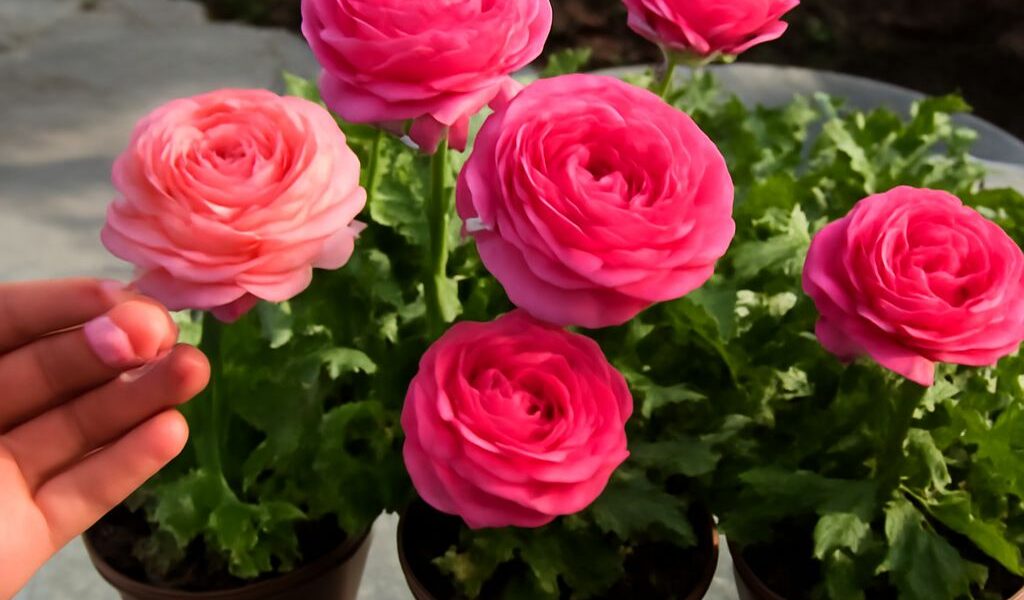
This guide concerns Persian buttercup, Ranunculus asiaticus, and its cultivated forms. North Carolina State Extension describes it as a plant that performs in cool spring weather and goes dormant in summer. Its preferred cycle does not fit every garden at the same calendar date.
In a mild-winter climate, fall planting may allow roots to establish for a spring display. Where the ground freezes hard, unprotected fall planting can fail; gardeners may start the dormant material under protection and move it out when local conditions permit, or plant in spring for a later season. Ask a local extension office or nursery about timing and frost protection for your location.
Heat also matters. In a place where spring quickly becomes hot, a late start may leave little cool weather for flowering. Work backward from local conditions rather than assuming that a date on a package from another region applies to your bed.
Prepare the Tubers and the Site
Before planting ranunculus, choose firm, sound material and discard pieces that are soft or visibly moldy. The crown should remain attached to its finger-like roots; a detached piece of root alone is not a dependable planting unit.
Preparation recommendations differ. NC State Extension suggests soaking tuberous roots for one hour before planting or watering well once they are planted. The Royal Horticultural Society recommends soaking Persian buttercup tubers for a day. Follow the supplier’s instructions for your material and avoid leaving soaked pieces in stagnant water indefinitely.
Select a sunny site with well-drained soil. A raised bed or container can help in a garden where water lingers, provided the surrounding area also drains. Test the site after rain: wet, compacted soil raises the risk of rot, which NC State identifies as a problem for this plant.
In a container, choose drainage holes and a suitable free-draining mix. Leave space for roots and avoid setting the pot where saucer water can keep the base saturated. A protected pot may be easier to move when frost or prolonged rain threatens.
Set the Roots in the Ground
The practical answer to how to plant ranunculus bulbs begins with their orientation. Place each crown upward with the claw-like roots pointing down. Handle the roots gently, particularly after soaking, and keep the pieces spaced so leaves will have room to develop.
For tuberous types, NC State gives a general guide of covering the roots with 3 inches of soil and spacing plants 3 to 6 inches apart. Use that as a starting point and follow the supplier’s instructions for the cultivar and growing system. In a container, check that there is enough mix below the roots as well as the recommended cover above.
Water after setting the pieces in, then let excess drain. The ground should not stay waterlogged while growth is beginning. Once shoots and leaves develop, maintain moisture during active growth, adjusting to rainfall and the rate at which your soil dries.
For a bed of Persian buttercups, setting the tubers crown-up in drained soil gives emerging shoots a clear route to the light. Mark the area so it is not disturbed while nothing is visible above ground.
From Leaves to Flowers and Dormancy
For gardeners growing ranunculus, a cool period is as important as adequate light and water. Cultivating Persian buttercups through their active season calls for careful watering as conditions change. Watch for fresh shoots, then check moisture regularly without watering automatically each day. Leaves should have room for air, and flowers can be removed as they fade if you want a tidy display.
When warmer weather arrives and foliage naturally yellows, reduce water as the plant approaches dormancy. Do not cut healthy green leaves solely because the flowers have finished; they continue to support the storage roots. In a dry, mild-summer climate, local guidance may support leaving dormant material in place. In wet summers or cold winters, lifting and storing it dry in a frost-free, ventilated place may be more practical.
Whether a clump returns depends on the cultivar, site and handling. Some gardeners treat these flowers as seasonal plantings rather than relying on another year. Check stored material for rot, label it and retain the crown with the roots if you plan to replant.
The plant can irritate or cause problems if eaten, so keep it away from children and pets likely to chew it. Wear gloves if handling the sap irritates your skin.
For your own garden, compare the cool growing season with the months of frost and summer rain. Choose a planting and dormancy plan that fits those conditions, then use the soil’s moisture as your guide.