 Gloria Davis
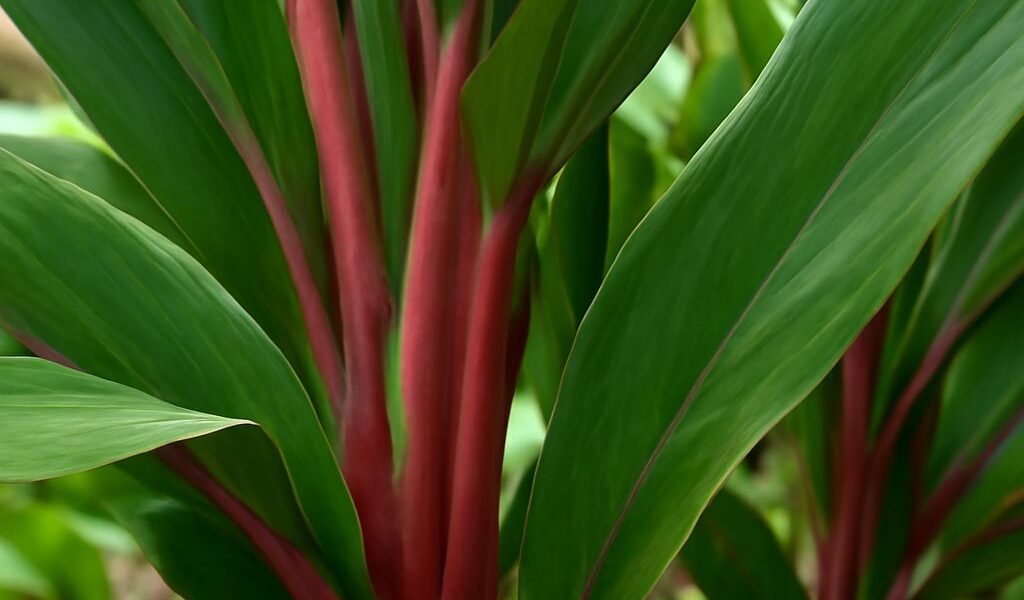
The name may suggest a cup of tea, but the Hawaiian ti plant is grown here for its foliage, not for the tea made from Camellia sinensis. The long leaves of ti can be green, pink, red, or burgundy, depending on the variety. They rise around upright stems, bringing the color of a tropical garden into a pot or a sheltered landscape.
Botanically, the plant is Cordyline fruticosa. Knowing that name helps you choose the right plant and understand the warm, bright conditions it needs. Give it room, moisture, and drainage, and its foliage becomes a record of the care it receives.
Ti Plants: Know What You Are Growing
If you find a Hawaiian tea plant at a nursery, check that the label identifies the ornamental ti as Cordyline fruticosa. Older references may use Cordyline terminalis. Other species of cordyline have their own habits, so the botanical name is more informative than a generic label.
Hawaiian ti plants can grow from small container specimens into tall, upright shrubs. North Carolina State Extension reports that the species can reach 9 to 15 feet tall and 3 to 8 feet wide outdoors. Individual cultivars and potted plants vary, so check the expected size of the named variety before placing it beneath a window or in a narrow bed.
The Hawaiian ti, sometimes mistaken for a tea plant, has significance in Hawaiian culture, where it is known as kī. Its cultural uses belong to specific traditions and knowledge. A nursery ornamental may also have been treated with products unsuitable for food use, so growing advice for a decorative plant should not be taken as food preparation guidance. Keep it away from pets: North Carolina State Extension lists it as toxic to dogs, cats, and horses.
Find Bright, Gentle Light
Indoors, set the pot near a bright window where the leaves receive indirect light. Good light helps many colorful cultivars retain their markings; in a dim corner, new growth may become less vivid and stems may stretch toward the window. Rotate the pot occasionally to give both sides access to light.
Outside, a protected location with filtered light or partial shade is a practical place to begin. University of Florida Extension lists partial sun and partial shade for the species, but sudden exposure to strong sun can scorch foliage that developed in shade. Move a container gradually when changing its position, and watch the youngest leaves for signs of stress.
Leave space between the plant, walls, and neighboring foliage so air can circulate. The broad blades make an attractive contrast with fine-textured plants, but a crowded bed also makes it harder to inspect the stems and leaf undersides.
Water Thoroughly and Let Excess Drain
Choose a container with drainage holes and a quality potting mix that holds some moisture without remaining saturated. When the upper layer begins to dry, water until excess runs out of the bottom; then empty the saucer. A finger placed in the mix is a better guide than a fixed weekly schedule because a warm, bright room dries a pot faster than a cool one.
For a garden planting, choose soil that drains and water regularly as roots establish. Ti leaves benefit from a consistent supply of moisture, yet waterlogged roots can be damaged and become susceptible to disease. Mulch can slow evaporation outdoors; keep it clear of the stems. Reduce watering when growth slows in the cooler, darker months, checking the soil before each application.
Humidity also affects appearance. Indoors, a humidifier can raise humidity around the plant, especially when heating dries the air. Avoid placing it beside a heat register or a cold draft. Wipe dust from the leaves of a ti plant with a damp cloth so their colors remain visible and you can inspect their surfaces.
Keep the Temperature Warm
This tropical species is suited to warm outdoor climates. North Carolina State Extension lists hardiness zones 10 through 12 and notes that it does not tolerate temperatures below 50°F. Check your forecast as well as your zone: a cold night can damage a container plant even when a winter has otherwise been mild.
Where cold weather arrives, grow it in a pot that can be moved indoors before temperatures fall. Give it bright light after the move and adjust watering to the slower drying rate indoors. In a warm garden, choose a sheltered position and leave enough space for the cultivar’s mature height and spread.
During active growth, use a houseplant or ornamental fertilizer according to its label. More fertilizer will not compensate for poor light or waterlogged soil. Remove damaged leaves with clean tools and examine the undersides for mites or other pests when you water.
Read the Leaf Tips
Brown tips on ti plant leaves can accompany dry indoor air, inconsistent watering, or fluoride exposure. Feel the potting mix first: if it is dry, water thoroughly; if it stays wet, inspect the drainage holes and let the surface dry before watering again. If moisture is consistent but new tips continue to brown, check your water source and consider low-fluoride water. For pale, stretched growth, move the plant gradually toward brighter indirect light and watch the next leaves for improvement.
Sources: North Carolina State Extension: Cordyline fruticosa; University of Florida Extension: ti plant; Penn State Extension: cordyline diseases.