 Gloria Davis
The rose of Jericho plant is famous for its dramatic ability to “come back to life” after appearing completely dry and dormant. Often called the resurrection plant, it fascinates us not only with its survival tactics but also with its rich spiritual symbolism and surprisingly simple care. Whether we’re seeking a unique botanical curiosity, a symbol of renewal, or a resilient houseplant, the rose of Jericho offers a story and experience unlike any other.
What Is the Rose of Jericho Plant?
The rose of Jericho plant is a small, desert-dwelling plant known for its remarkable ability to survive extreme dehydration. There are actually two plants that carry the common name: Anastatica hierochuntica, native to the Middle East and North Africa, and Selaginella lepidophylla, which grows in the Chihuahuan Desert of North America. Both are called “the resurrection plant” because of their unique survival strategy, though Selaginella lepidophylla is far more common in cultivation and is usually what we find in stores.
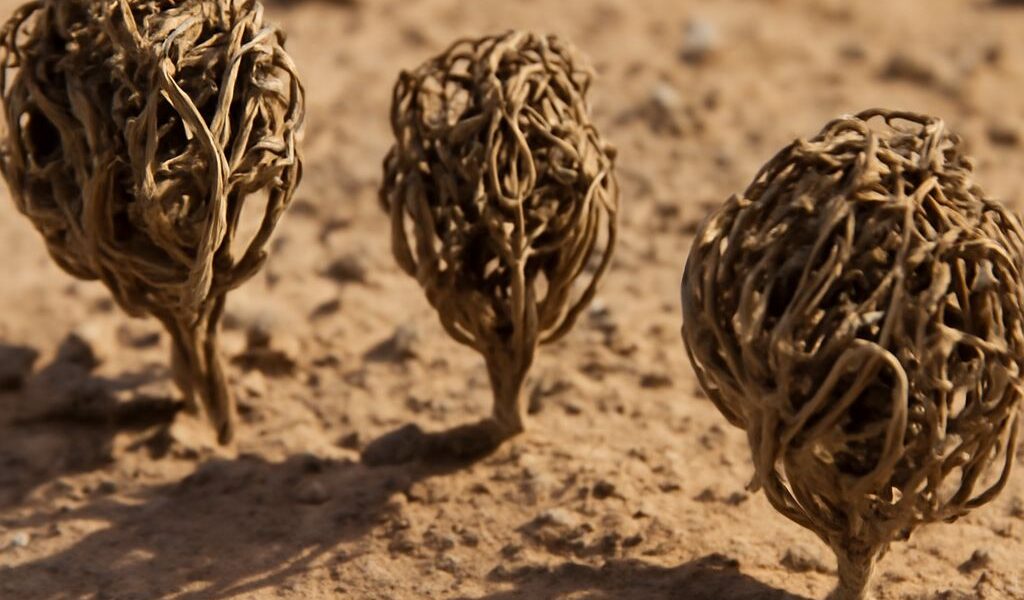
The plant is a tumbleweed that curls into a tight, brown ball when dry. In this dormant state, the rose of Jericho can survive for years, only to unfurl and turn green again when exposed to water. Despite its name, it’s not related to true roses. Instead, its appeal lies in its almost miraculous capacity for revival—a trait that has inspired fascination for centuries.
How the Resurrection Plant Survives and Revives
The secret to the resurrection plant’s survival lies in its unique biology. In arid environments, the plant dries out completely to protect its cells from damage. It curls up, roots detached, and blows across the desert until it finds a patch of moisture. Once it comes into contact with water, the plant rapidly rehydrates, unfurling its branches and leaves within hours. This process can be repeated dozens of times over the plant’s lifespan.
We see the most dramatic results when we place the dry jericho plant in a shallow dish of water. Within a few hours, it opens and gradually turns green. The revival isn’t true resurrection—the plant isn’t technically dead when dry, but in a state of dormancy. The rose of Jericho can remain in this state for years, “awakening” again and again as conditions allow.
This adaptation isn’t just a survival trick; it’s a marvel of nature that showcases how life can persist in even the harshest environments. For us, it means we can enjoy the dramatic transformation of the resurrection plant as many times as we like, simply by drying it out and watering it again.
Symbolism and Uses of the Jericho Plant
Across cultures, the rose of Jericho plant holds deep symbolic meaning. It’s most widely known as a symbol of renewal, resurrection, and hope—qualities that stem directly from its ability to appear dead and then revive. In Christian tradition, it’s sometimes called the “resurrection flower,” linked to Easter and the story of Christ’s rebirth. In folk practices, the plant is used in rituals for prosperity, new beginnings, and protection.
Beyond symbolism, the jericho plant is also valued for its decorative and ritual uses. We can display the unfurled, green plant as a natural centerpiece, or dry it out again for storage. Some people use the water from reviving the plant in spiritual cleansing or blessings, believing it contains the essence of renewal. While the rose of Jericho isn’t grown for food or fragrance, its role as a living symbol makes it a cherished addition to homes, altars, and ceremonies around the world.
Caring for the Rose of Jericho at Home
Caring for the rose of Jericho is refreshingly simple, making it an approachable plant for beginners and seasoned plant lovers alike. To revive the plant, we place it in a shallow bowl with just enough water to cover the roots or the base—avoid submerging the entire plant, as this can lead to rot. Within a few hours, the ball will begin to open, and in a day or two, it will reach its full spread.
After a week, it’s important to give the plant a rest by letting it dry out completely. Prolonged soaking can cause mold or root rot. We recommend a cycle of one week in water followed by two to three weeks dry. The rose of Jericho doesn’t need soil, and it thrives in indirect light. If the water becomes cloudy, change it to keep the plant healthy.
When not in use, we can store the dried resurrection plant in a cool, dry place. This dormancy is perfectly natural and allows us to “wake it up” whenever we wish, making the jericho plant a truly interactive botanical experience. With minimal care and dramatic results, the rose of Jericho makes a memorable addition to any collection.