 Gloria Glover
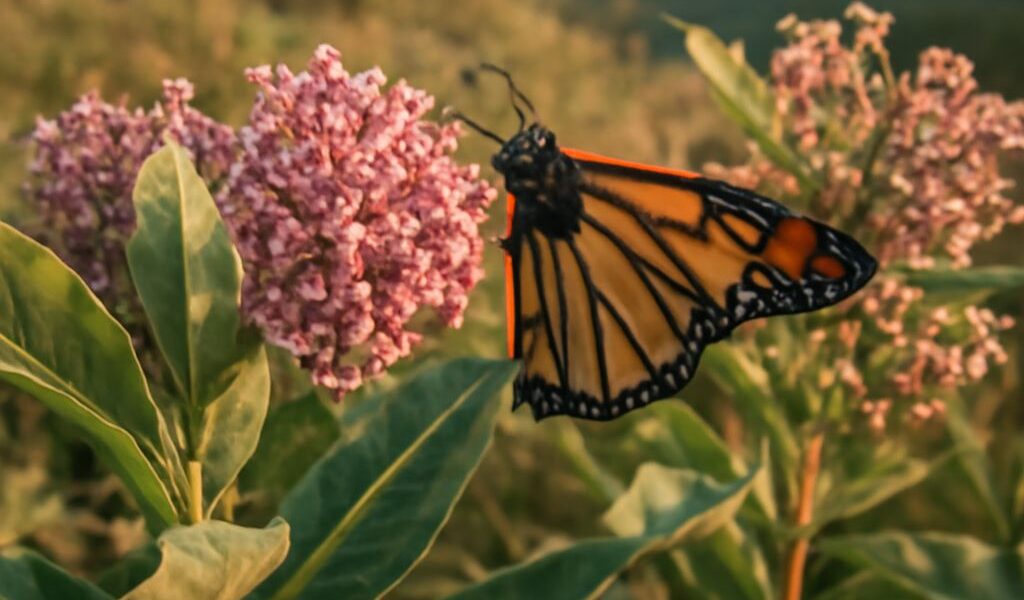
 Pink milkweed is a common-garden label, not one botanical species. We usually use it for pink-flowered swamp milkweed (Asclepias incarnata) or showy milkweed (Asclepias speciosa). Wild milkweed is broader: it may mean any native milkweed growing without cultivation, although many gardeners mean common milkweed. Coneflower plants, by contrast, belong mainly to Echinacea, a separate genus.
To choose well, match each plant to sun, drainage, mature size, and spread first. Then use bloom season and ecological role to decide how the planting will function.
What Pink Milkweed Usually Means
Swamp milkweed (Asclepias incarnata): pink blooms and moist soil
Swamp milkweed is a reliable meaning of pink milkweed. It grows 3–5 feet tall in full sun and consistently moist, rich soil, including rain-garden edges and wet meadows. Its pink-to-mauve flower clusters appear in summer; stems form upright clumps with limited spread. It is both a monarch caterpillar host and an important nectar source.
Showy milkweed (Asclepias speciosa): a taller, drier-site option
Showy milkweed fits a different site. This western species reaches roughly 2–5 feet, prefers full sun and dry to average, well-drained soil, and handles drought after establishment. Rounded, pale-pink blooms arrive in early or midsummer. Rhizomes can form broad colonies, so give it room; it also supports monarch larvae and other insects.
How to Identify Wild Milkweed
Common milkweed (Asclepias syriaca) and regional species
“Wild milkweed” does not identify one universal species. It can describe a native plant found growing naturally, while local usage may point to common milkweed or another regional Asclepias. Common milkweed (Asclepias syriaca) is the usual reference in much of eastern and central North America.
Compare leaves, flowers, pods, height, and spread
Common milkweed grows 3–6 feet tall in full sun, tolerates average to moderately dry soil, and bears broad, opposite leaves, rounded pink-purple flower heads, and upright pods in summer. Its rhizomes spread vigorously, making it valuable in larger naturalized areas but less suitable for a tight border. Identify other species by combining leaves, flower shape, pod form, height, and habitat rather than relying on the common name alone.
Coneflower Plants: Traits and Care
Purple coneflower (Echinacea purpurea) and related species
Purple coneflower (Echinacea purpurea) and related species are not milkweeds. Purple coneflower forms a 2–5-foot clump, blooms from early summer into fall, and may self-sow without spreading by aggressive rhizomes. Narrow-leaved coneflower (Echinacea angustifolia) is often a better choice for leaner, drier soil.
Sun, soil, moisture, height, bloom, and growth habit
Coneflowers prefer full sun, average well-drained soil, and medium moisture, though established plants tolerate short dry periods. They provide nectar for bees and butterflies, then seed for birds, but they are not monarch caterpillar host plants.
Choosing and Combining Native Plants
Match moisture, sun, size, and spread to the site
- For wet or periodically saturated sun, combine swamp milkweed with moisture-tolerant perennials; keep coneflowers on the better-drained edge.
- For dry, open ground, showy or regionally appropriate milkweed can pair with purple or narrow-leaved coneflower.
- For a small bed, choose clumping milkweed and allow mature widths; common milkweed and showy milkweed can spread beyond their starting points.
Pair host plants with nectar and seed resources
Use milkweed to supply the monarch host function, and use coneflowers to extend nectar availability and add autumn seed. Plant milkweed where caterpillar feeding can remain undisturbed, while coneflowers can occupy visible borders or well-drained gaps around the milkweed.