 Gloria Davis
Evergreen shrubs that thrive in shade are essential for bringing year-round color and structure to the darker corners of our gardens. With the right selection, we can create lush, low-maintenance borders, soften the appearance of fences, and provide essential shelter for wildlife even where sunlight is limited. In this article, we’ll highlight the best evergreens for shade, discuss how to plant and care for them, and share design ideas to make the most of these versatile shrubs.
Why Choose Shade Evergreen Shrubs?
Shade evergreen shrubs offer a reliable solution for areas where many plants struggle. Unlike deciduous shrubs that lose their leaves in winter, evergreens provide constant greenery, making our gardens look alive even in the colder months. Choosing shade tolerant evergreen shrubs means we can fill dim spaces under trees, along north-facing walls, or in the dappled light beneath mature canopies with lasting interest.
These shrubs also contribute to a healthier garden ecosystem. Their dense foliage gives birds year-round shelter and nesting sites, while their root systems help control erosion on slopes where grass may not grow. By selecting evergreens for shade, we reduce the need for frequent replanting and seasonal cleanup, saving both effort and resources.
Additionally, many shade evergreen shrubs are surprisingly adaptable, tolerating a range of soil types and requiring only minimal maintenance once established. Their ability to thrive where others can’t makes them invaluable for both novice and experienced gardeners seeking dependable, elegant planting solutions.
Best Evergreens for Shade: Top Picks
Japanese Aucuba
Japanese aucuba (Aucuba japonica) is an excellent choice among shade evergreen shrubs. Known for its glossy leaves—often splashed with gold or yellow—it brightens shaded spots and tolerates deep shade better than most. Aucuba is resilient, drought-tolerant once established, and reaches 4-6 feet, making it ideal for hedging or as an accent shrub.
Boxwood
Boxwood (Buxus sempervirens) is a classic evergreen shade plant, prized for its small, rounded leaves and dense, tidy shape. With its slow growth and ease of pruning, boxwood is perfect for formal hedges, topiary, or as a foundational shrub. It does well in partial shade and adapts to different soil types, thriving especially in sheltered, shaded corners.
Mahonia
Mahonia, particularly Mahonia aquifolium (Oregon grape), stands out for its architectural foliage and clusters of bright yellow flowers in late winter or early spring. Mahonia is one of the toughest shade tolerant evergreen shrubs, handling deep shade, poor soils, and dry conditions once mature. Its blue-black berries also attract birds, supporting garden biodiversity.
Yew
Yew (Taxus baccata) is an evergreen shrub revered for its versatility and longevity. Tolerant of both deep and partial shade, yew can be shaped into hedges, screens, or left to grow naturally. The dark green needles and red berries create visual interest throughout the year. Yew prefers well-drained soil but is otherwise unfussy, making it a reliable choice in shaded gardens.
Rhododendron
Rhododendrons provide lush, broadleaf foliage and spectacular spring blooms. Many varieties are well-adapted to shady conditions, especially in acidic, moist soil. These evergreens for shade work beautifully as standalone specimens or grouped for massed impact under mature trees. With proper placement, they reward us with long-lasting color and lush backdrops.
Planting and Caring for Shade Tolerant Evergreen Shrubs
Successful planting of shade tolerant evergreen shrubs starts with understanding the light and soil conditions in our garden. Most evergreen shade plants prefer partial to full shade and benefit from soil rich in organic matter. Before planting, we should amend the soil with compost and ensure proper drainage to prevent root rot, especially in areas with heavy clay.
Shrubs should be spaced to allow for mature growth, avoiding crowding that can lead to poor air circulation and disease. Water newly planted shrubs well, maintaining consistent moisture during their first year. Once established, many shade evergreens are surprisingly drought-tolerant, but an occasional deep watering during dry spells helps maintain health and color.
Annual mulching around the base of each shrub helps conserve moisture, suppress weeds, and regulate soil temperature. We prune lightly after flowering or in late winter to remove dead or damaged branches and encourage a tidy shape. Fertilizing in early spring with a balanced, slow-release product supports new growth without encouraging excessive softness that’s vulnerable to frost or pests.
Design Tips for Evergreen Shade Plants
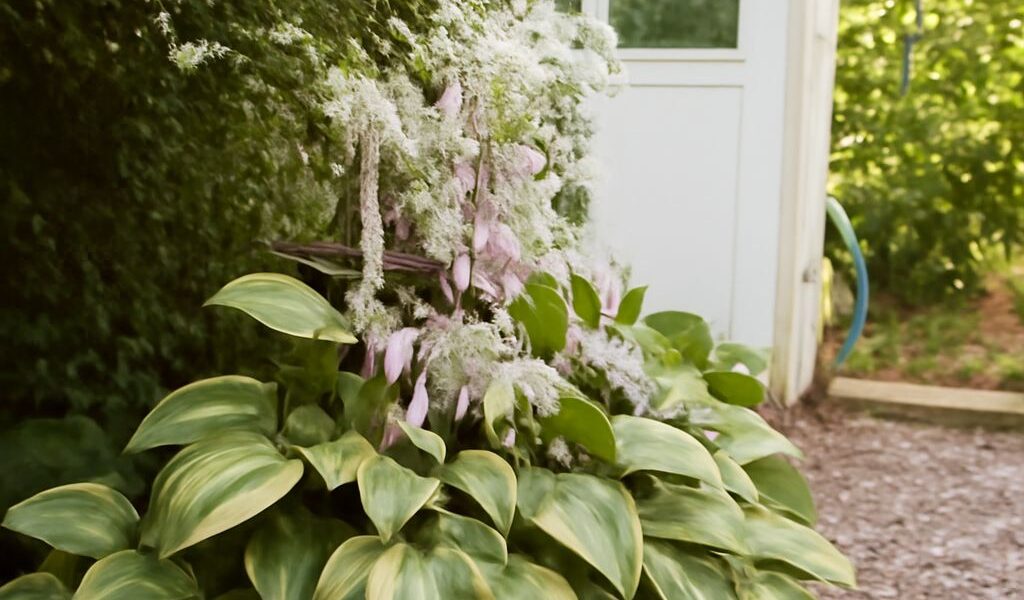
To achieve a visually engaging shaded planting, we combine shade evergreen shrubs with varied textures and colors. Planting a mix of bold, glossy-leaved aucuba alongside the fine foliage of yew or the architectural spikes of mahonia creates depth and contrast. Interplanting evergreen shade plants with shade-tolerant perennials—such as ferns, hostas, or hellebores—adds seasonal interest and softens the overall look.
Layering is key in shaded borders. We place taller evergreens toward the back, medium shrubs in the center, and ground-hugging varieties along the front edge. This not only maximizes visual appeal but also ensures that each plant receives the light and space it needs to thrive. Repeating plant groupings in odd numbers provides a cohesive, natural flow throughout the space.
Finally, we use evergreens to anchor paths, mark entrances, or frame focal points in shaded gardens. Their year-round foliage provides structure amidst the dynamic changes of other plantings, allowing us to enjoy an inviting, tranquil garden whatever the season.